
Residential drywall for houses with some history
New walls that sit comfortably beside old ones, in the bungalows, Tudors and colonials of Wauwatosa.
Get a free estimate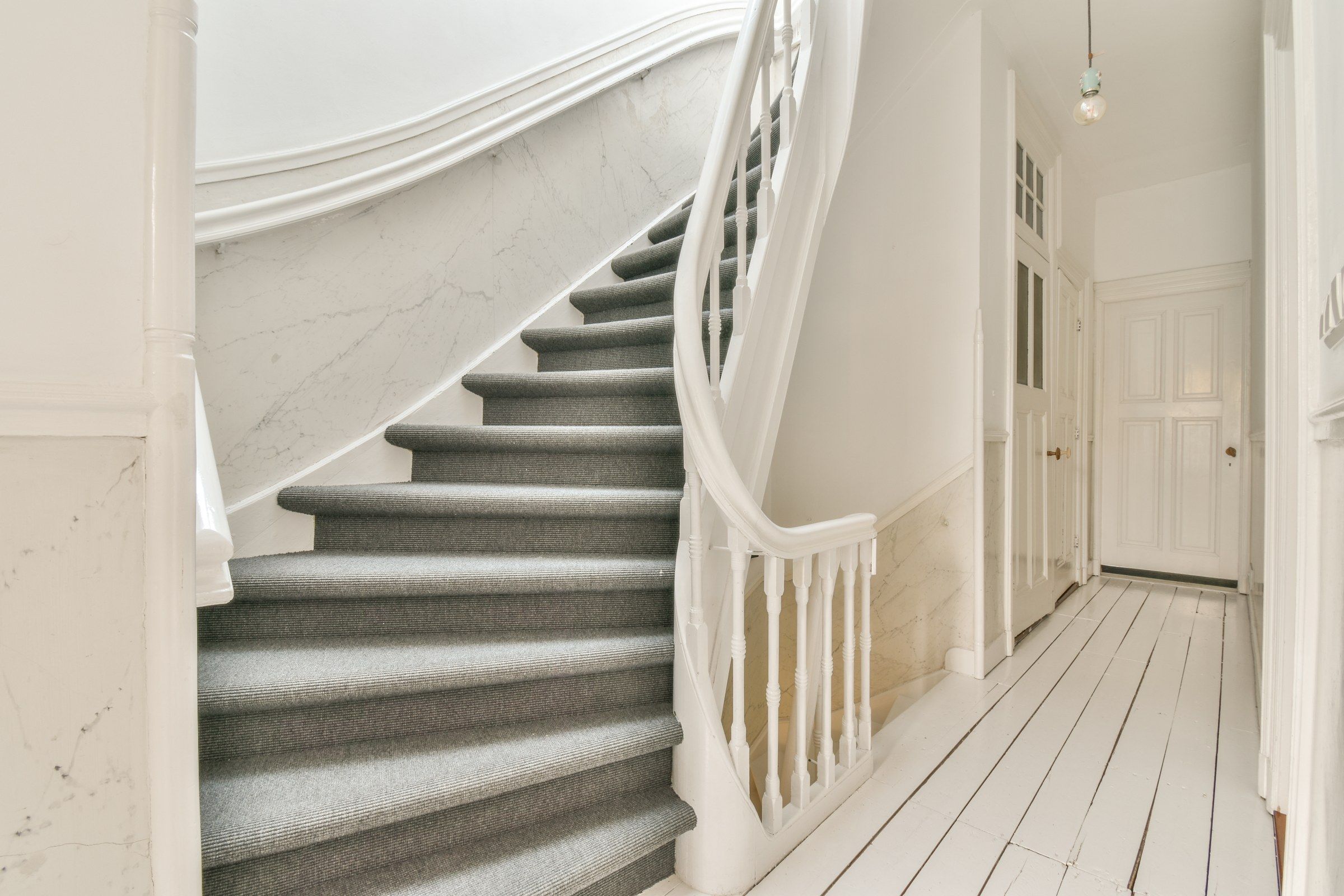
A house built in 1926 was not put together the way a house is today. The walls are three-quarters of an inch of plaster over wood lath. The corners are slightly rounded. The ceilings may be coved. Nothing is perfectly square, and that is a good part of the charm.
When such a house is remodeled, the new work has to meet all of that honestly. Standard half-inch drywall, hung in the standard way, will sit a quarter inch shy of the old plaster and announce itself at every joint. We take the time to make the two agree.
What we do in a home
We hang and finish drywall for kitchens, baths, additions, attics and whole-house renovations. We repair and skim plaster. We blend new board into old walls by building out to the plaster’s thickness and feathering the transition wide enough that the eye cannot find it.
In newer houses the work is more conventional, and we bring the same care to it: board laid out to keep seams few, corners true, and a finish checked under a hard light before anyone is asked to accept it.
Occasions for calling us
- A kitchen or bath renovation
- New walls where old plaster was removed, made to meet what remains.
- Rewiring or replumbing
- The channels and openings left behind, closed without a trace.
- An attic or third-floor conversion
- Sloped ceilings, dormers and knee walls, all of it angles.
- An addition
- New rooms that share the proportions and finish of the original house.
- Tired plaster
- Cracked, bulging or patched walls brought back to a single calm surface.
The course of the work
A careful look
We examine the existing walls: thickness, texture, corners and condition.
A written proposal
Scope, method, finish and schedule, explained without jargon.
Protection
Floors, woodwork and built-ins are covered. In an old house these are irreplaceable.
Hanging and finishing
Board fitted to the house as it is, then three coats or more.
Inspection in raking light
We look for what the afternoon sun will find, and correct it.
Materials suited to older houses
To match plaster thickness we use 5/8-inch board, sometimes over a layer of 1/4-inch or furring, so that door casings and baseboards go back without gaps. For soft, hand-troweled corners we can use bullnose bead or float a corner by hand.
Where original plaster is sound, we would rather keep it. A veneer skim over a bonding agent can renew a wall that would otherwise be torn out, and it preserves the density and quiet that make old rooms feel the way they do.
What this care achieves
A seamless house
Old and new read as one continuous surface.
Trim that fits
Casings and baseboards return to their places without shims or caulk lines.
Character kept
Coves, curves and soft corners are respected.
A clean, protected home
Floors and woodwork leave the project as they entered it.
On cost, and what moves it
There are three honest answers to the question of what residential drywall work costs. It depends on how much surface is involved, on how hard that surface is to reach, and on how fine a finish it must take. A bedroom wall is one thing. The ceiling over an open staircase is another. A wall that will be painted in a deep color and lit by a west window asks more of the finisher than a wall in a pantry.
Repairs follow a different logic from new work. Most of the labor in a repair goes into making it disappear, and that labor is much the same whether the damage is small or moderate. It is why a list of repairs attended to in one visit costs so much less, per item, than the same repairs done separately.
Reading the house first
Before recommending anything, we look at what the house is made of. In Wauwatosa that can change from room to room. The front rooms may be original plaster on lath. The kitchen, remodeled in the 1960s, may be early drywall. An attic bedroom finished later still may be something else again. Each responds differently to repair, and a method that suits one will fail on another.
We also look at how the house has moved. Old cracks that have been filled and painted many times tell one story. A fresh crack above a doorway tells another. Stains on a ceiling, a soft spot beside a window, a bulge where plaster has let go of its lath: these are the house explaining itself, and the repair should answer what it is saying.
Living with the work
We do not ask anyone to move out. The room being worked on is closed off with plastic, the floors along our route are covered, and the registers in that room are sealed so that dust is not carried through the house. At the end of each day the tools are stacked and the floor is swept.
Because each coat of compound must dry before the next, most work proceeds as a series of shorter visits. Between them the room can generally be used, with a little care. Normal warmth and some movement of air are all that the compound asks.
Houses with radiators deserve a particular note. Steam and hot-water heat keeps rooms comfortable without the moving air of a furnace, so drying can be slower than in a house with forced air. A small fan left running in the room makes up the difference.
What we would ask of you
Tell us what you know of the house: its age, what has been altered, where water has come in before. Take down what hangs on the walls we will touch. Decide, if you can, what the walls will be painted with, since sheen and color bear on how fine the finish should be.
Afterward, prime before you paint. New compound and old painted wall take paint differently, and primer is what makes them agree.
A few particulars
We are sometimes asked whether plaster should simply be replaced with drywall. Usually not. Sound plaster is denser, quieter and more solid to the touch than board, and it is part of what makes an older house feel as it does. Our habit is to keep what is sound and to replace only what has failed.
We are also asked whether a small job is worth our time. It is. A single crack over a doorway or one hole behind a door is ordinary work, and a house is better for having it attended to. Send a photograph and you will have a plain answer.
Before and after
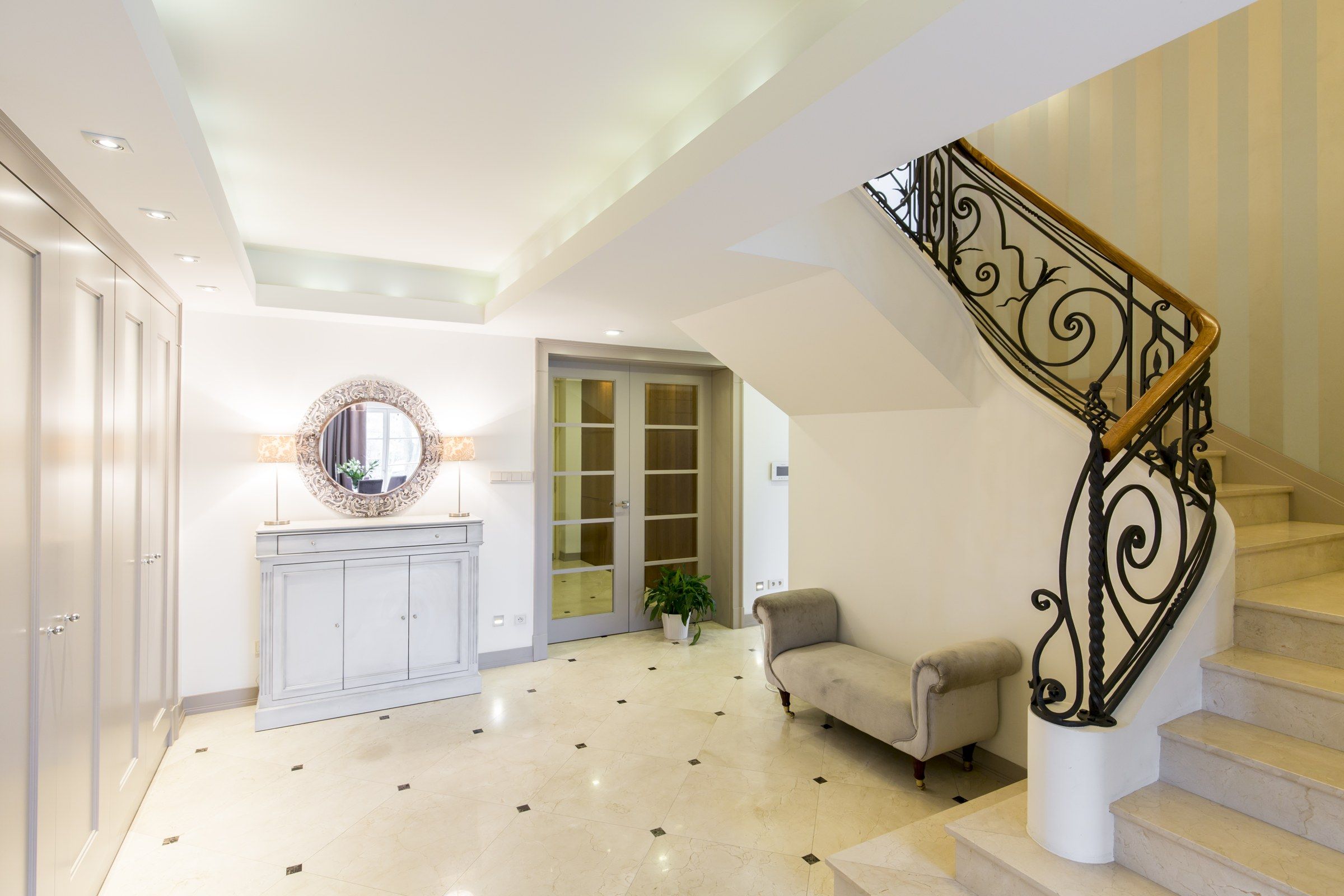
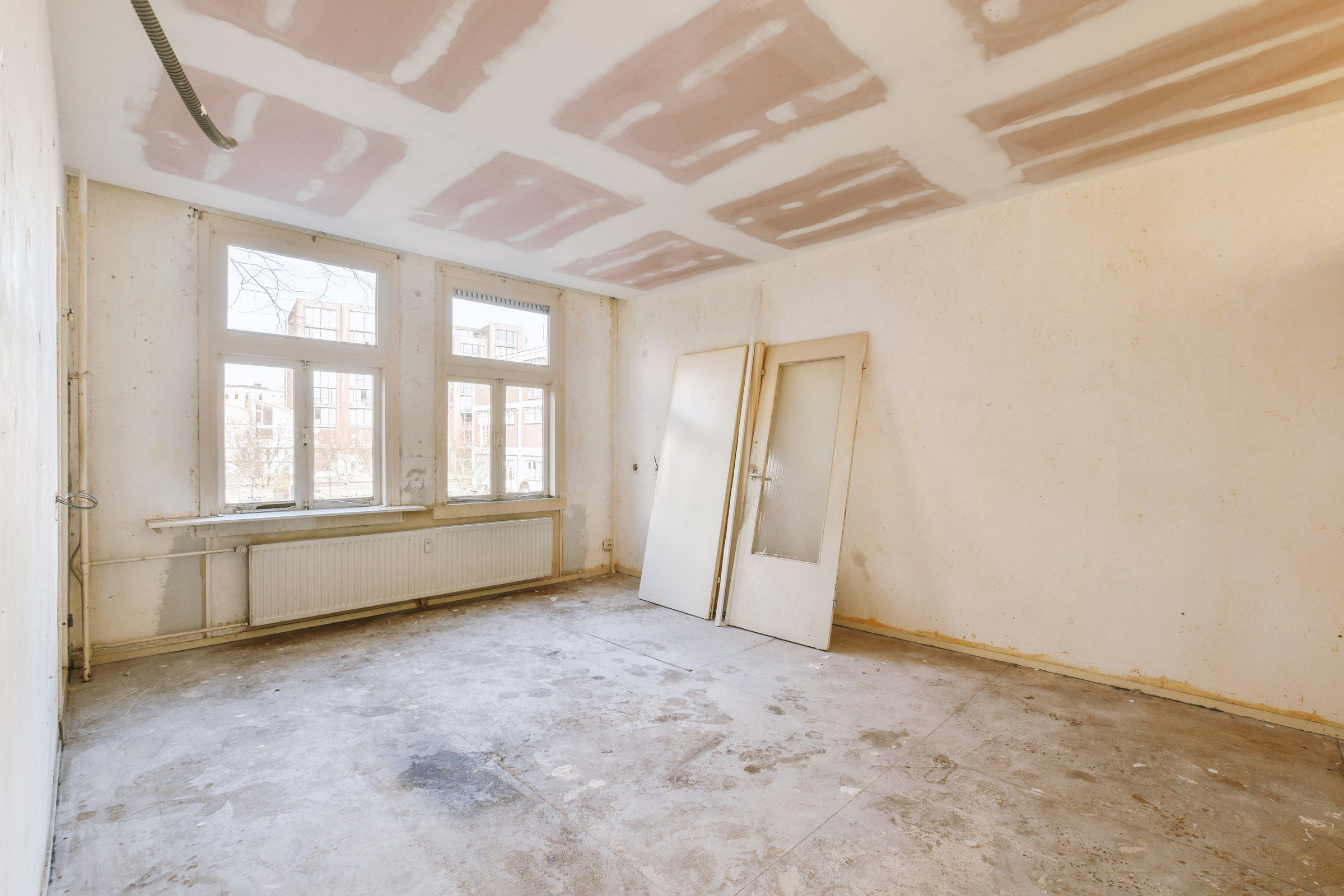
Illustrative stock photographs, not a project of our own.
The houses of Wauwatosa
Few suburbs have housing as distinctive as this one. The Washington Highlands, laid out in the 1910s and built through the 1920s, is a historic district of Tudors, colonials and Mediterranean revivals. East Tosa is dense with brick bungalows and duplexes. Lannon stone appears on house after house. West of Mayfair Road the stock shifts to post-war Cape Cods and ranches.
Most homes east of the parkway are plaster, on wood lath in the earlier ones and gypsum “rock lath” from the 1930s onward. Knowing which you have changes how a repair is made, and it is the first thing we check.
Questions on residential drywall services
Should I replace my plaster with drywall?
Not as a rule. Sound plaster is a superior wall. We replace it only where it has failed or where a remodel requires the wall to be opened.
Can you make new drywall match old plaster?
Yes. Matching the thickness, softening the corners and skim coating the joint are what make the transition disappear.
How do you protect original woodwork?
Casings, floors and built-ins are masked and padded before work begins, and we keep wet compound away from unfinished wood.
Is lead paint a concern?
In homes built before 1978 it can be. Work that disturbs old painted surfaces should follow lead-safe practices, and we will discuss how that applies to your project.
Do you work in newer homes as well?
Certainly. The methods differ; the standard does not.
Related
Work often done alongside
Drywall Repair
Cracks, loose tape, damaged corners and tired surfaces, restored with care.
Drywall Finishing
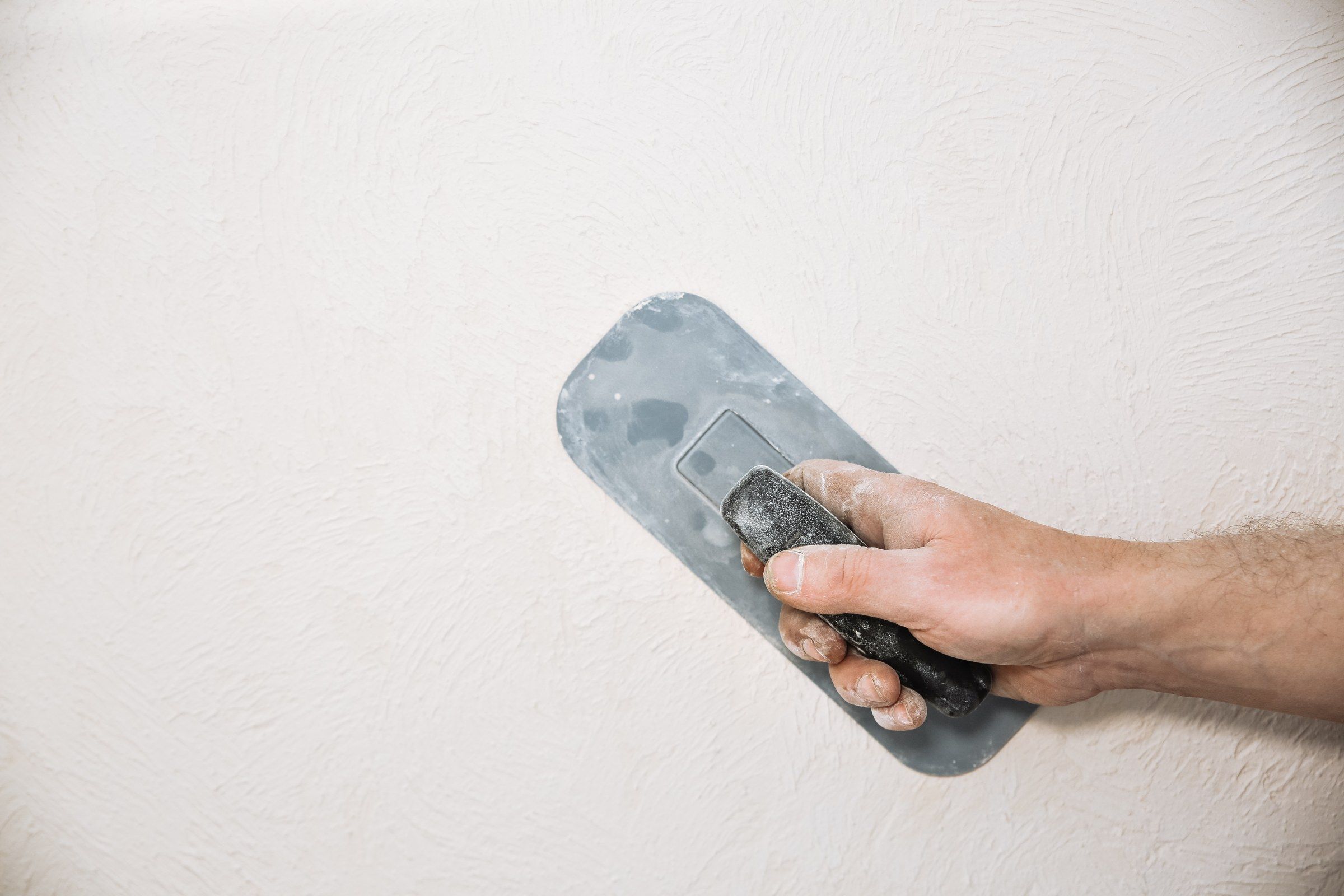
Level 5 surfaces, skim coats and plaster-like finishes for rooms that deserve them.
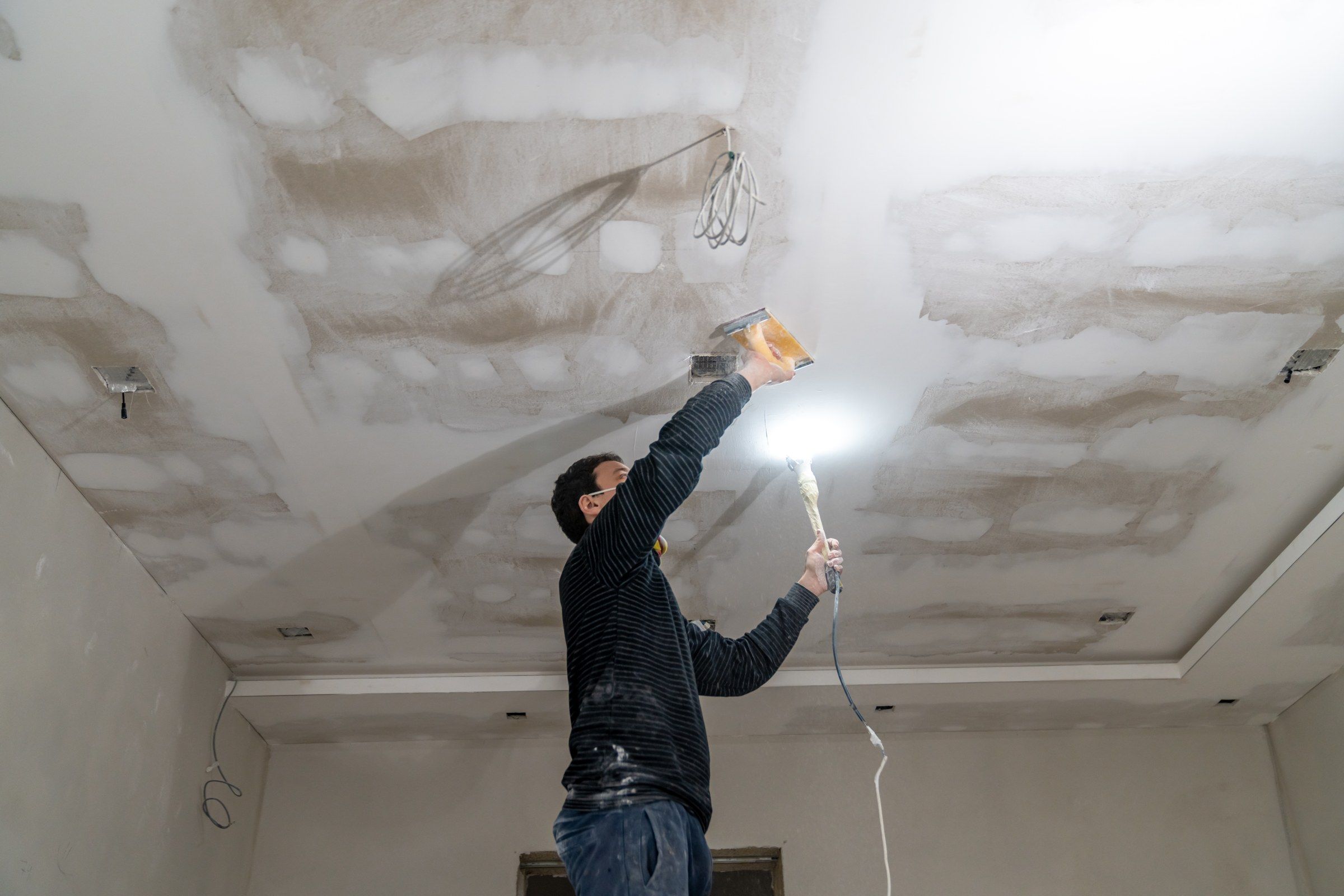
Ceiling Drywall Repair
Cracked, sagging and stained ceilings stabilized and made level.
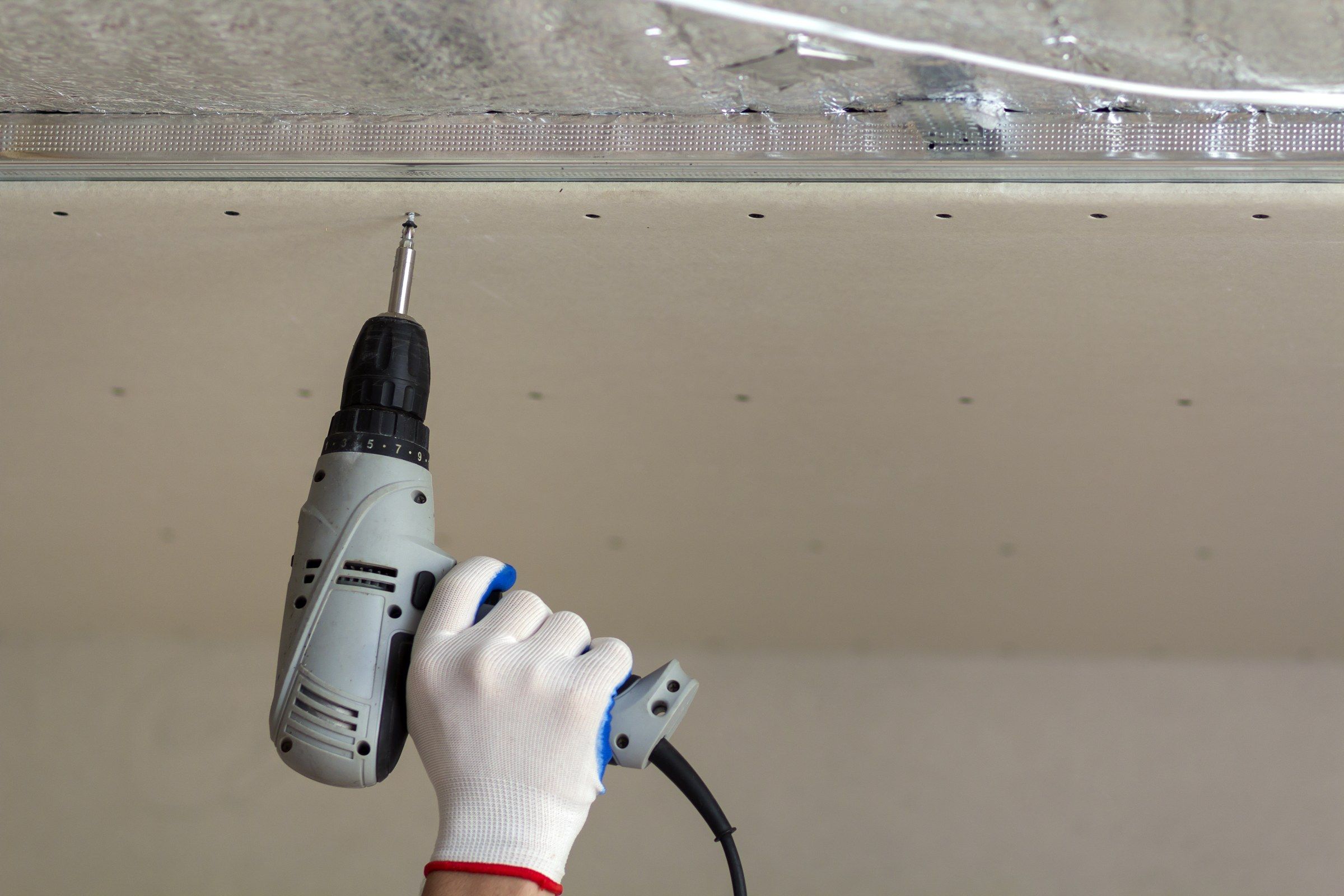
Drywall Installation
Board set out and hung with the finished surface already in mind.
May we quote for this?
Tell us about your residential drywall project in Wauwatosa. A written estimate follows, without charge.
Get a free estimate