
Walls finishedwith patience,for houses with a past.
Wauwatosa Elite Drywall installs, repairs and finishes drywall and plaster in Wauwatosa, Wisconsin. The work is careful, the surfaces are true, and new walls are made to sit quietly beside old ones.
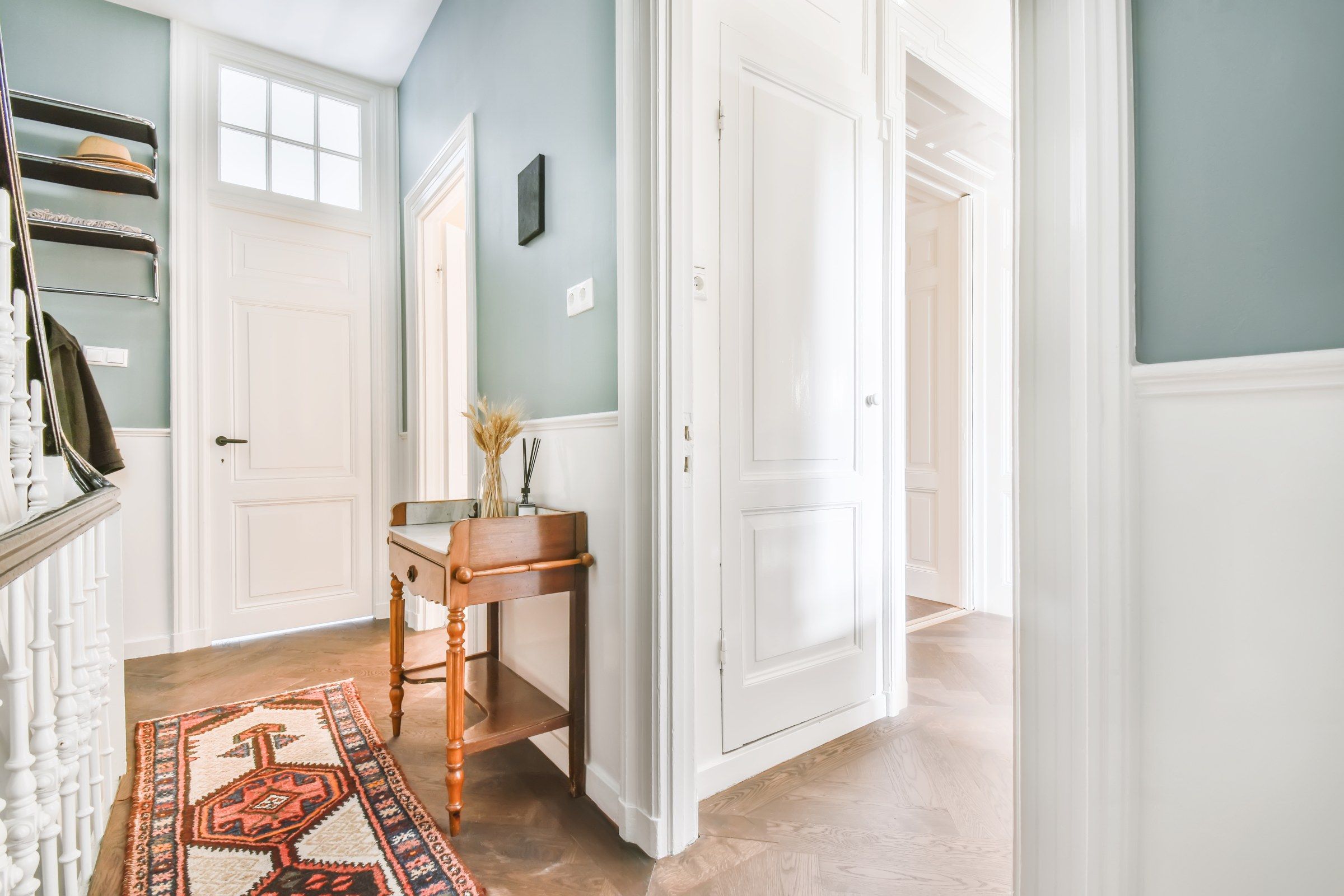
Illustrative photograph
Tell us about your walls
A few details are enough to begin. We reply with a written estimate, without charge.
The craft
Three places where care shows
Nearly everything that separates an ordinary wall from a fine one happens at the corners, at the seams, and in the last thin coat.
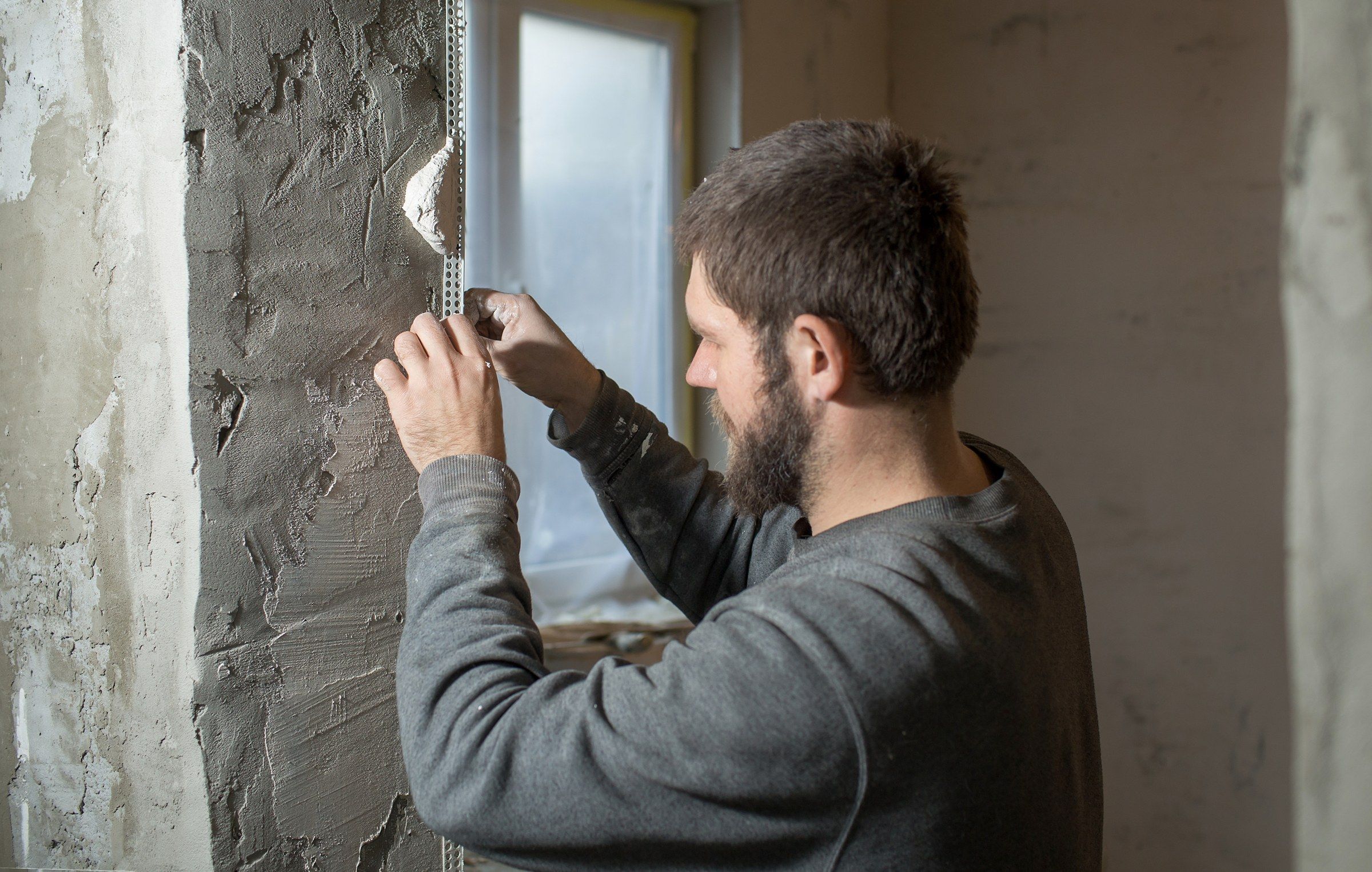
The corner
Set plumb and straight, or eased by hand to match the soft arris of old plaster. Corners are what the eye uses to judge a room.
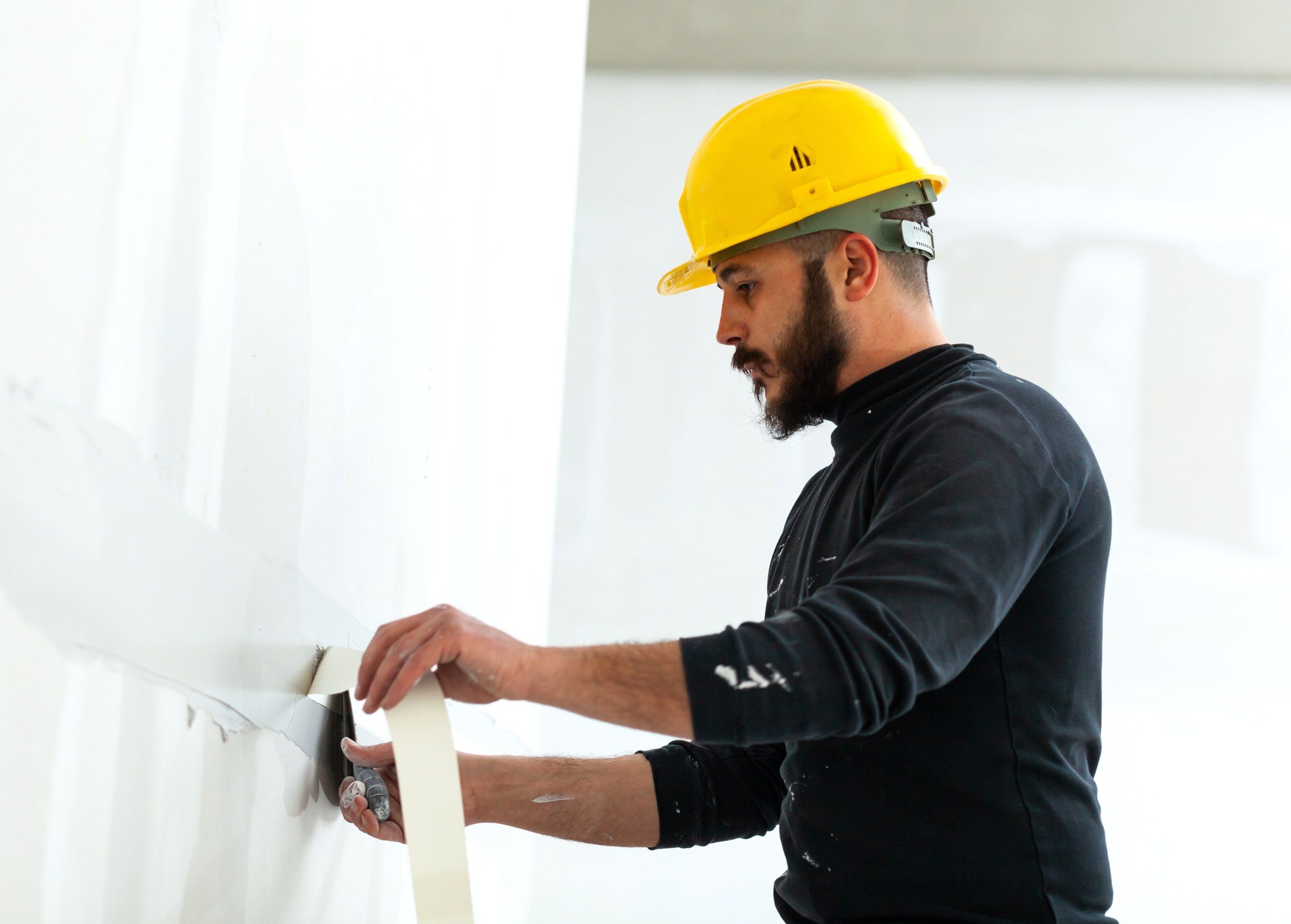
The seam
Paper tape, fully bedded, then three thin coats drawn out wide. A seam should be something you know is there and cannot find.
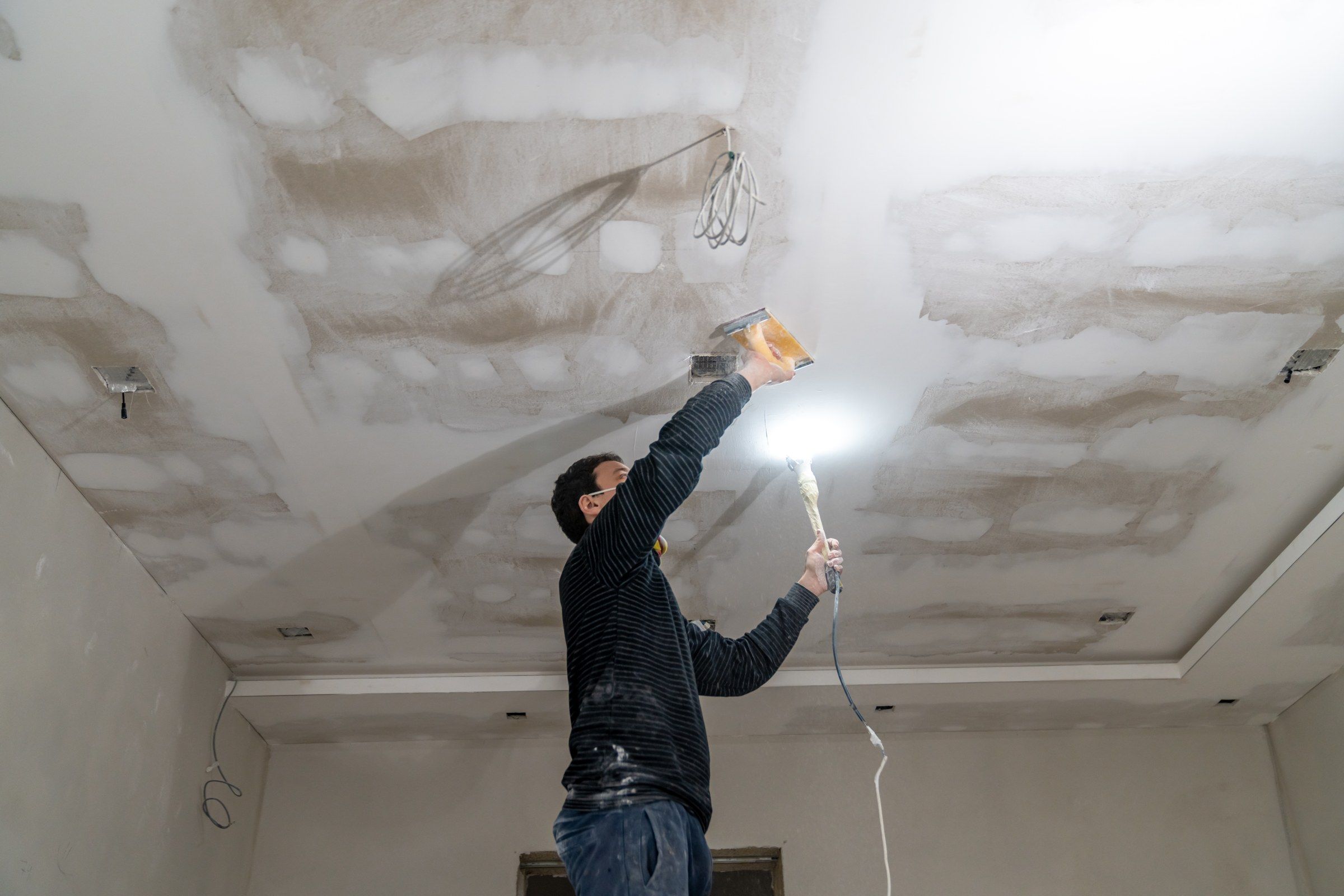
The surface
Inspected with a lamp held low against it. Whatever that light reveals, the evening sun would have found eventually.
Older homes
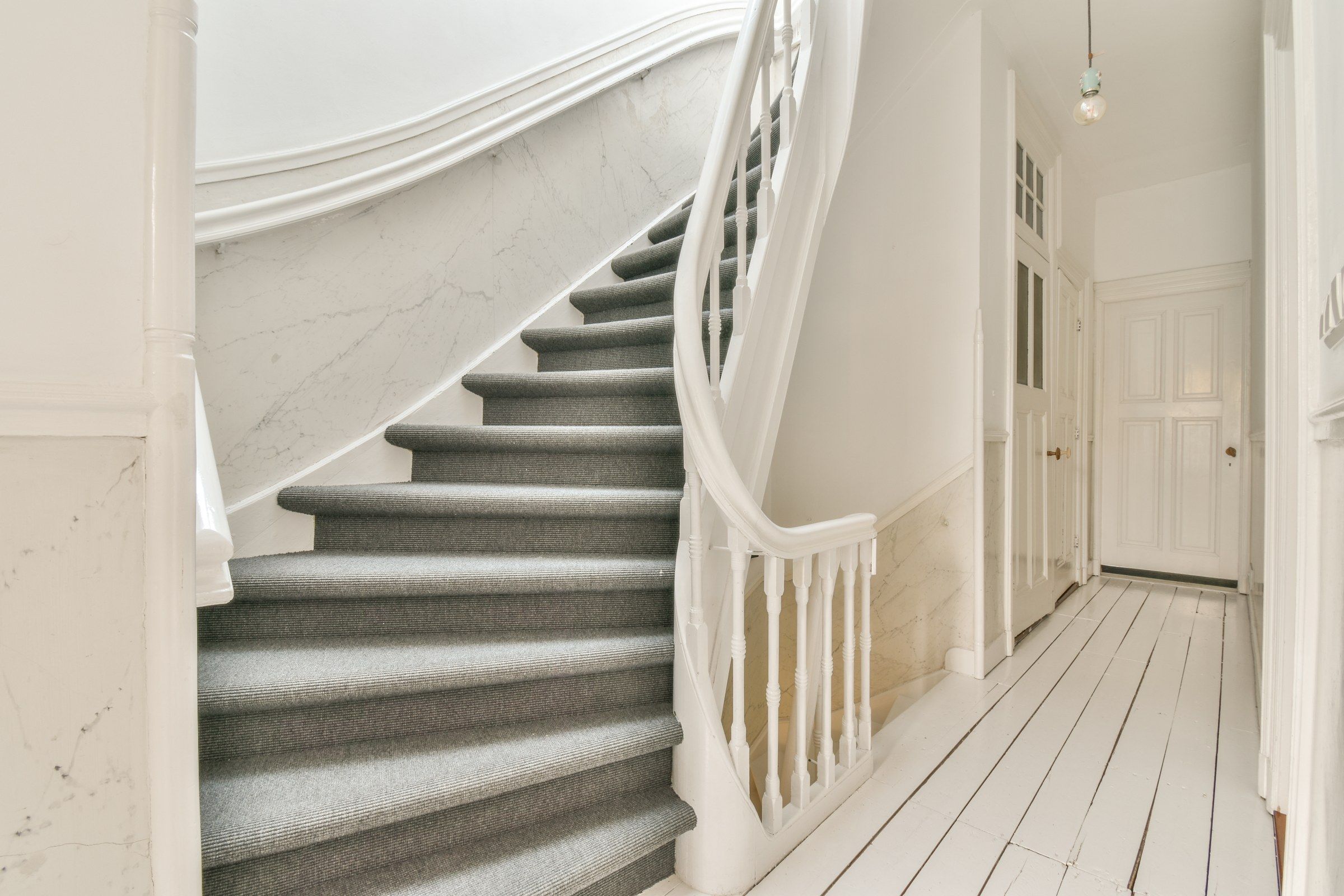
Plaster, lath and the houses of the 1920s
An older wall is thicker, harder and less regular than a new one. Working on it well begins with knowing how it was made.
- Wood lath
- Found in houses up to about 1930. Plaster is keyed between narrow strips. It cracks at openings and, on ceilings, can come away from the lath.
- Rock lath
- Gypsum board lath, common from the 1930s to the 1950s. It cracks in neat lines along the sheet edges and is very stable otherwise.
- New beside old
- Drywall is packed out to the plaster’s depth, the corner softened, and the joint skimmed wide so that trim returns without a gap.
Services
Twelve services, one standard
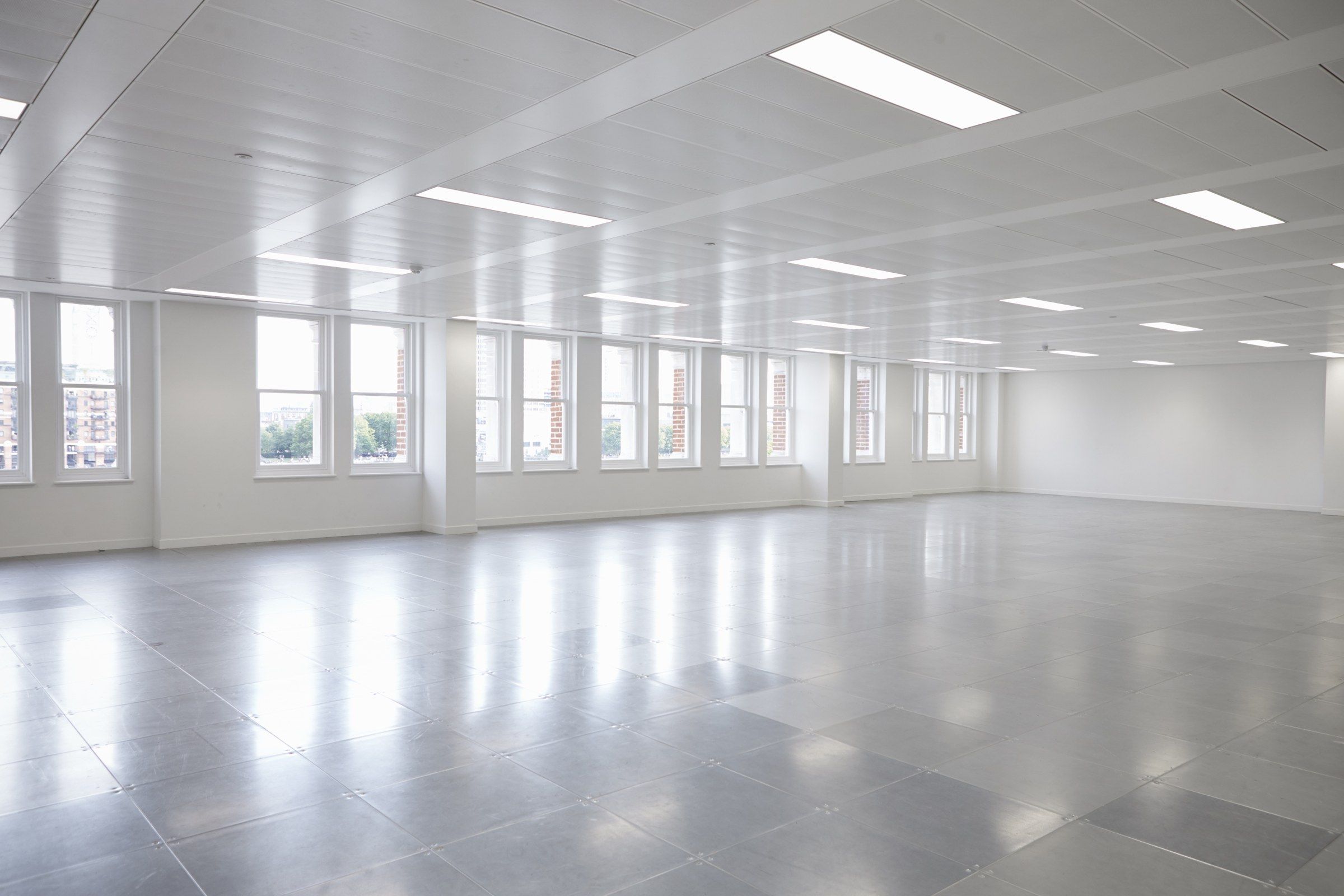
Commercial Drywall Services
Carefully built partitions and ceilings for offices, clinics and shopfronts.
Residential Drywall Services
Drywall and plaster-sympathetic work for the houses of Wauwatosa.
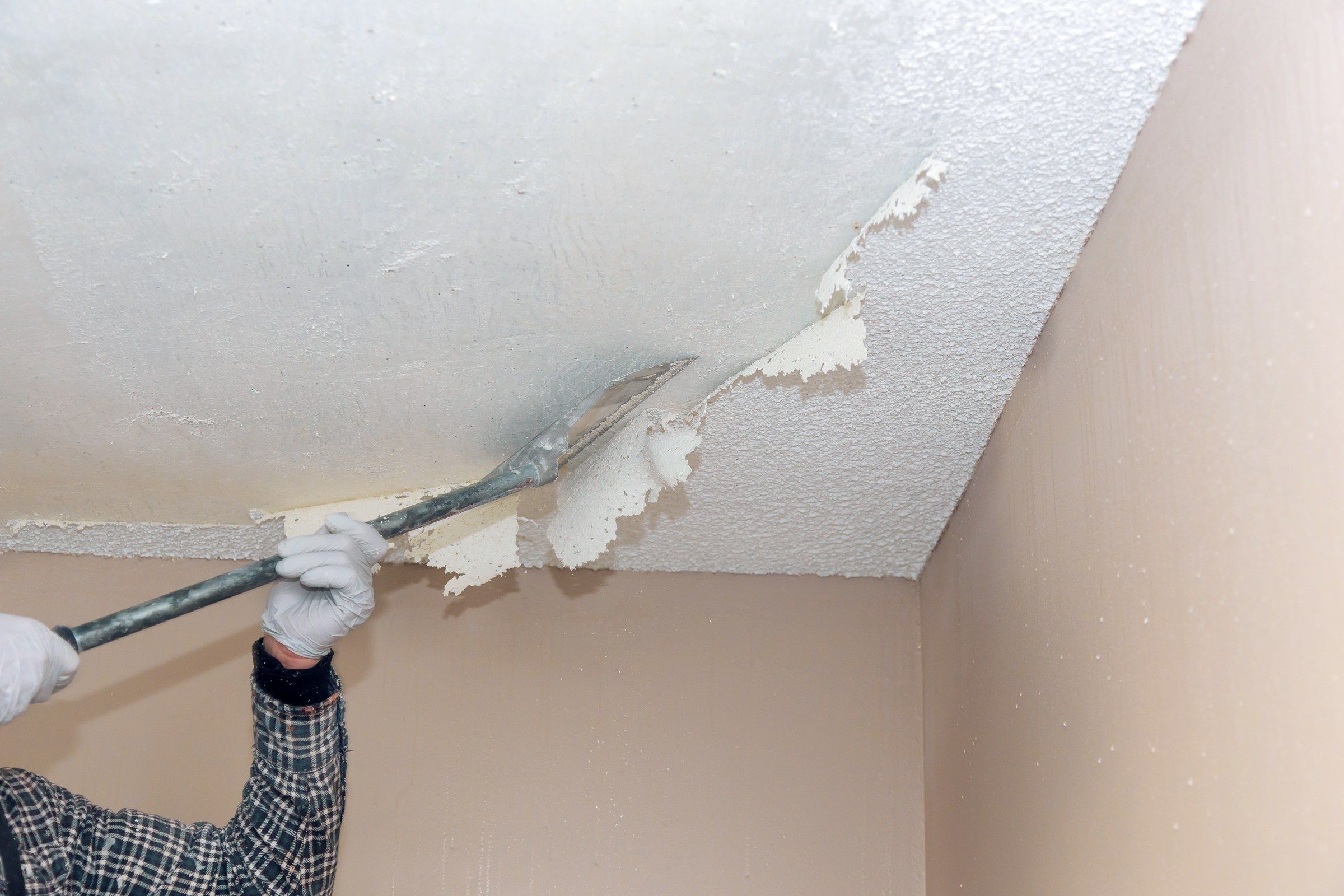
Popcorn Ceiling Removal
Sprayed texture removed and the ceiling returned to a quiet, level plane.
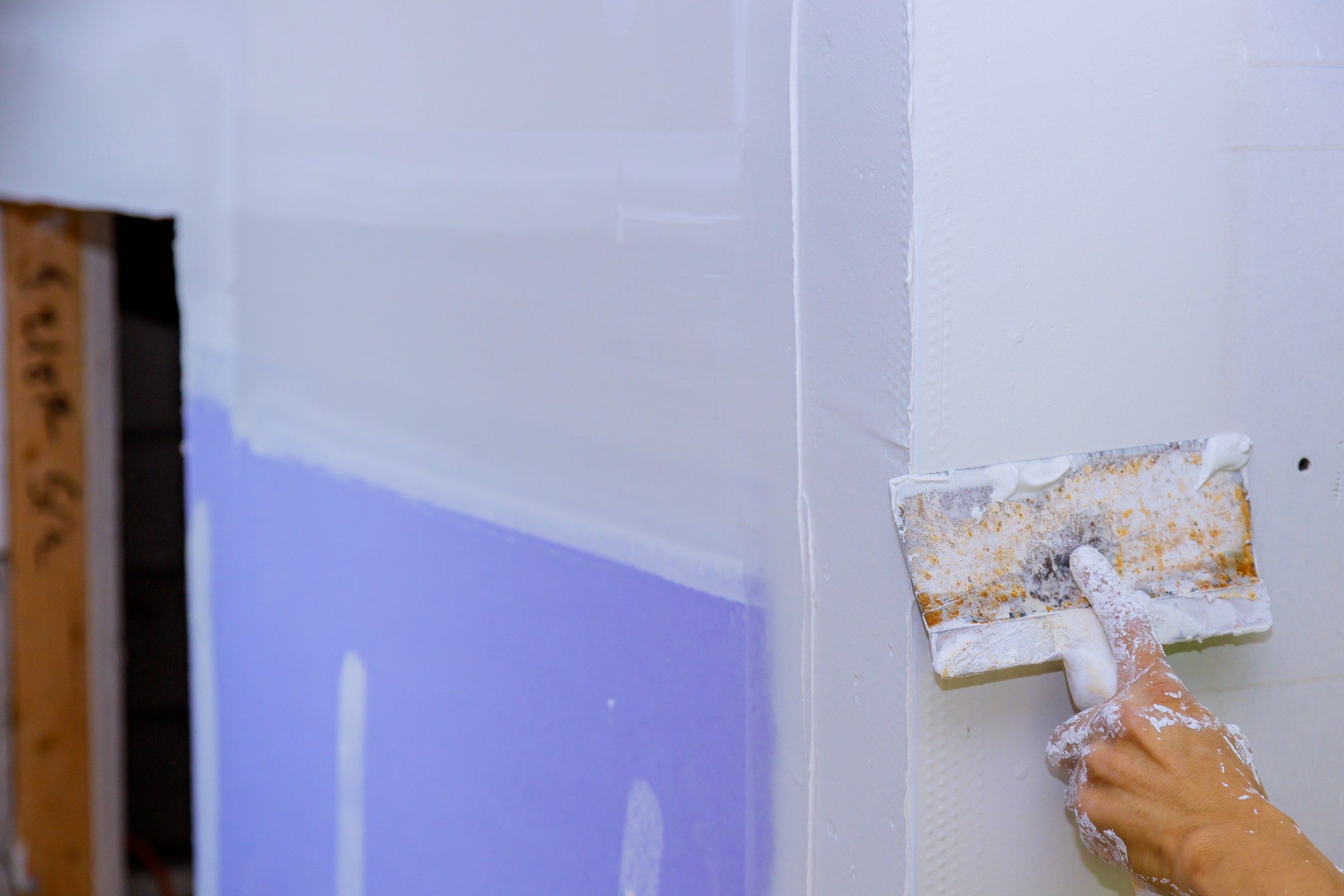
Drywall Patching
Openings closed and blended until the wall reads as untouched.
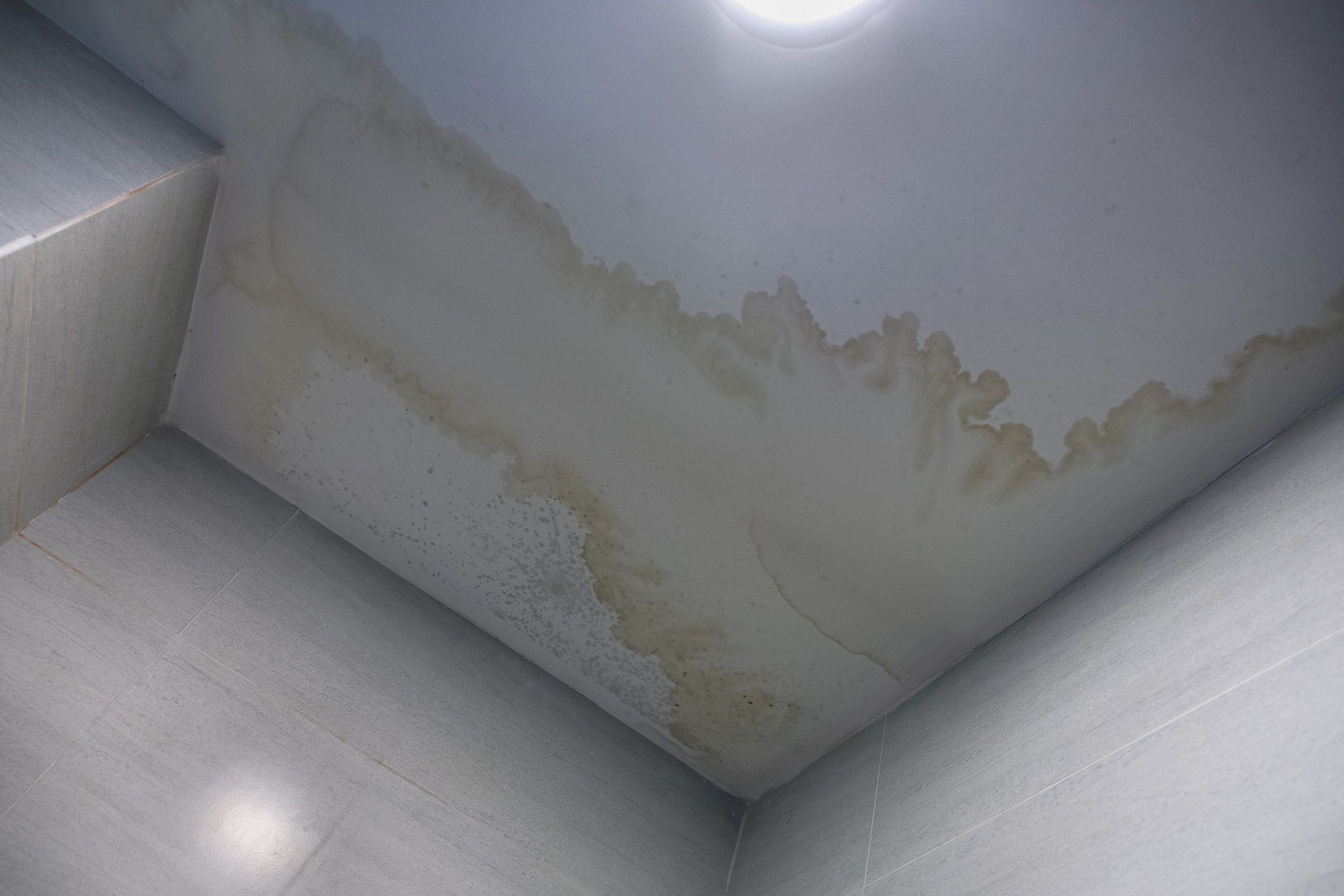
Water-Damaged Drywall Repair
Stained and softened surfaces removed, dried and carefully rebuilt.
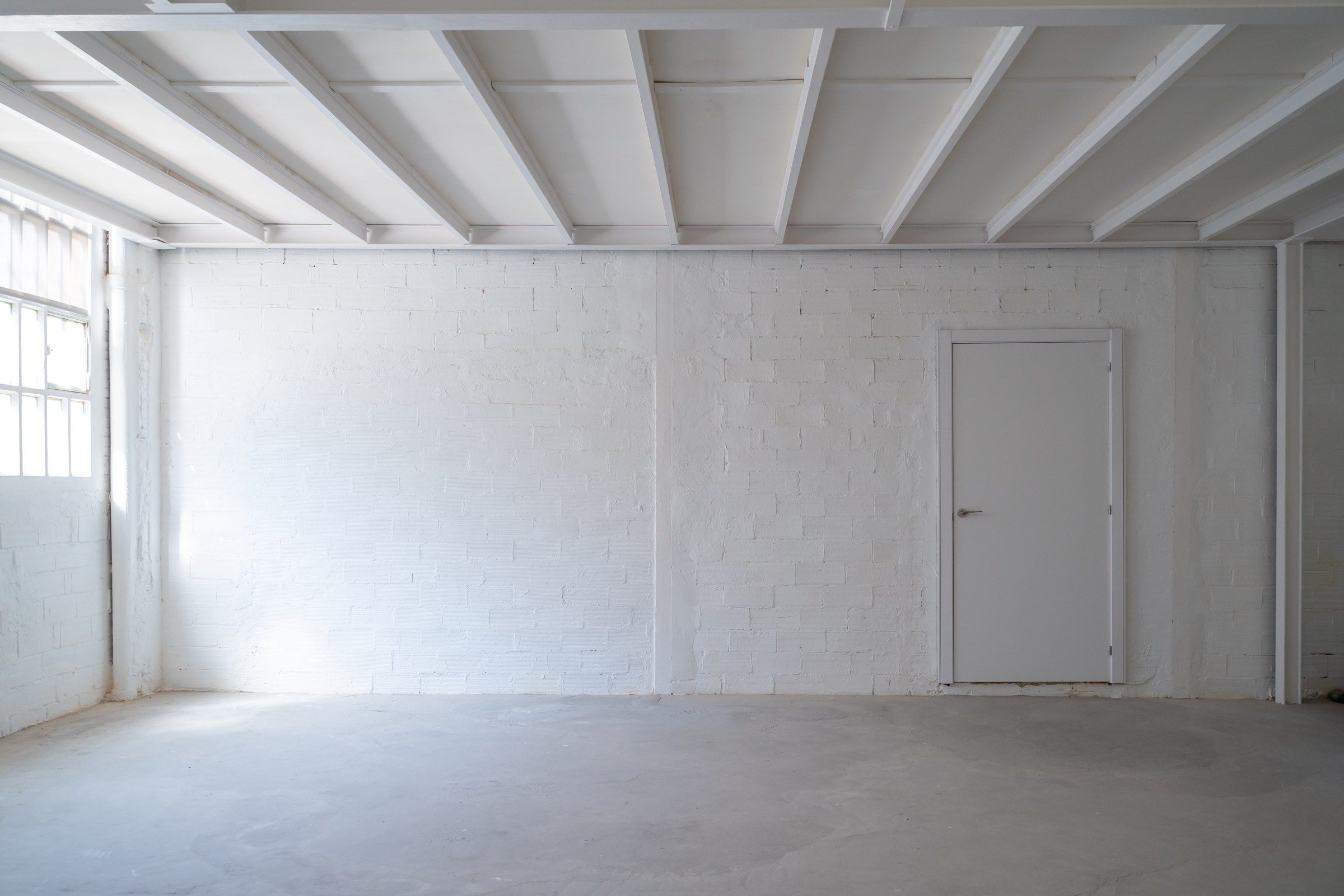
Garage Drywall Installation
A neglected space lined properly: rated board, tidy joints, sound detailing.
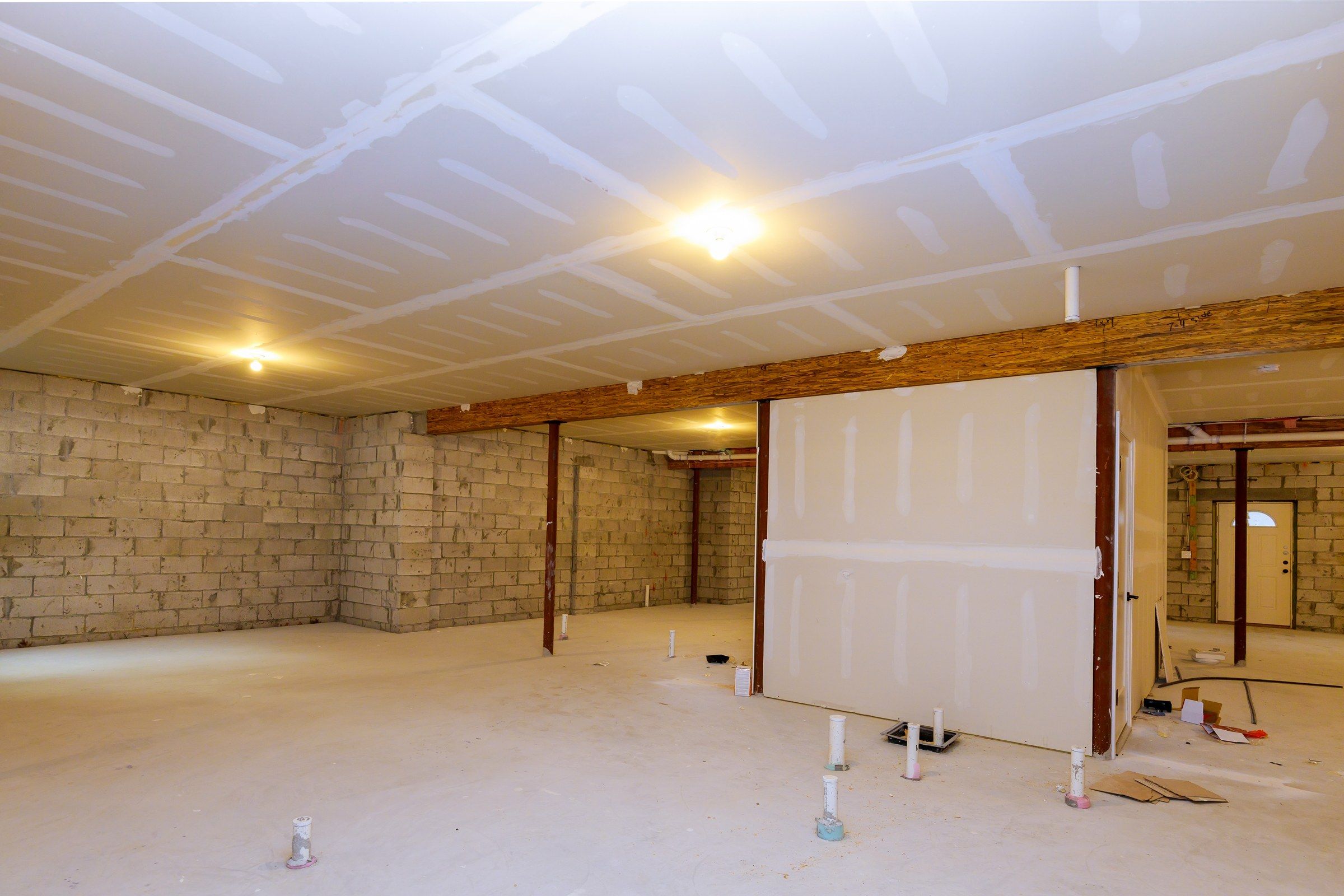
Basement Drywall Installation
Lower levels finished with respect for old foundations and low ceilings.
Ceiling Drywall Repair
Cracked, sagging and stained ceilings stabilized and made level.
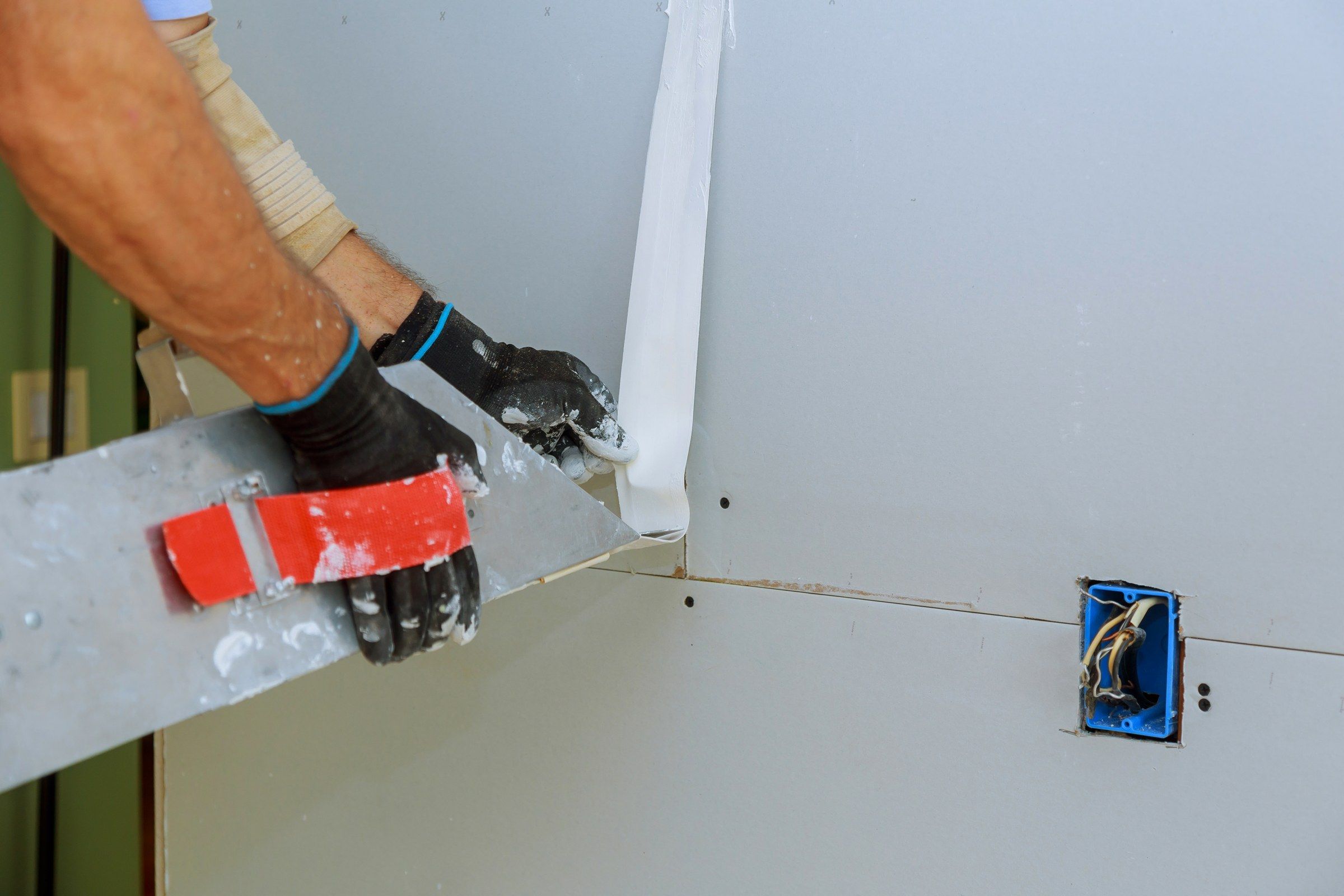
Drywall Taping & Mudding
Joints, corners and fasteners brought patiently to a seamless surface.
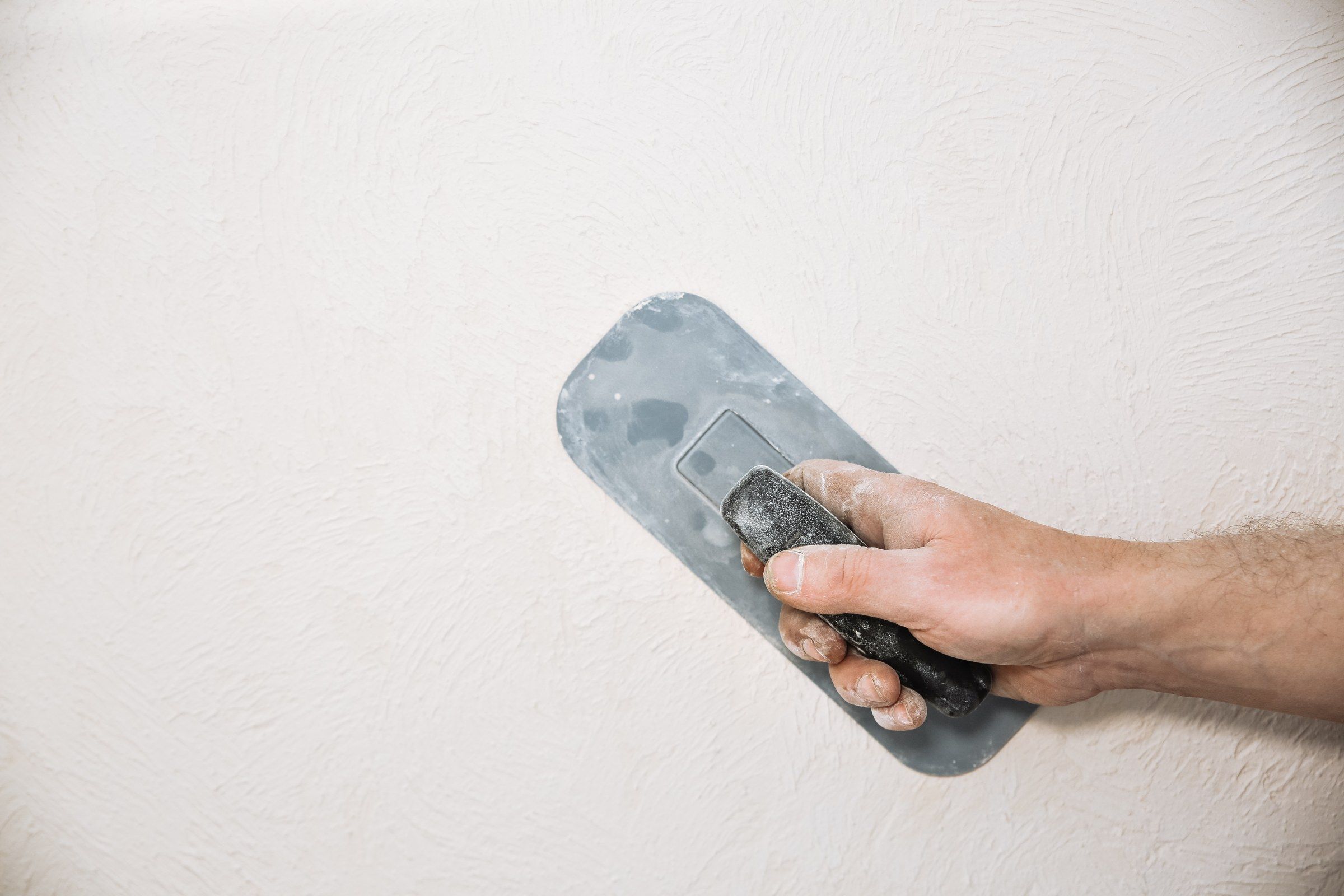
Drywall Finishing
Level 5 surfaces, skim coats and plaster-like finishes for rooms that deserve them.
Drywall Repair
Cracks, loose tape, damaged corners and tired surfaces, restored with care.
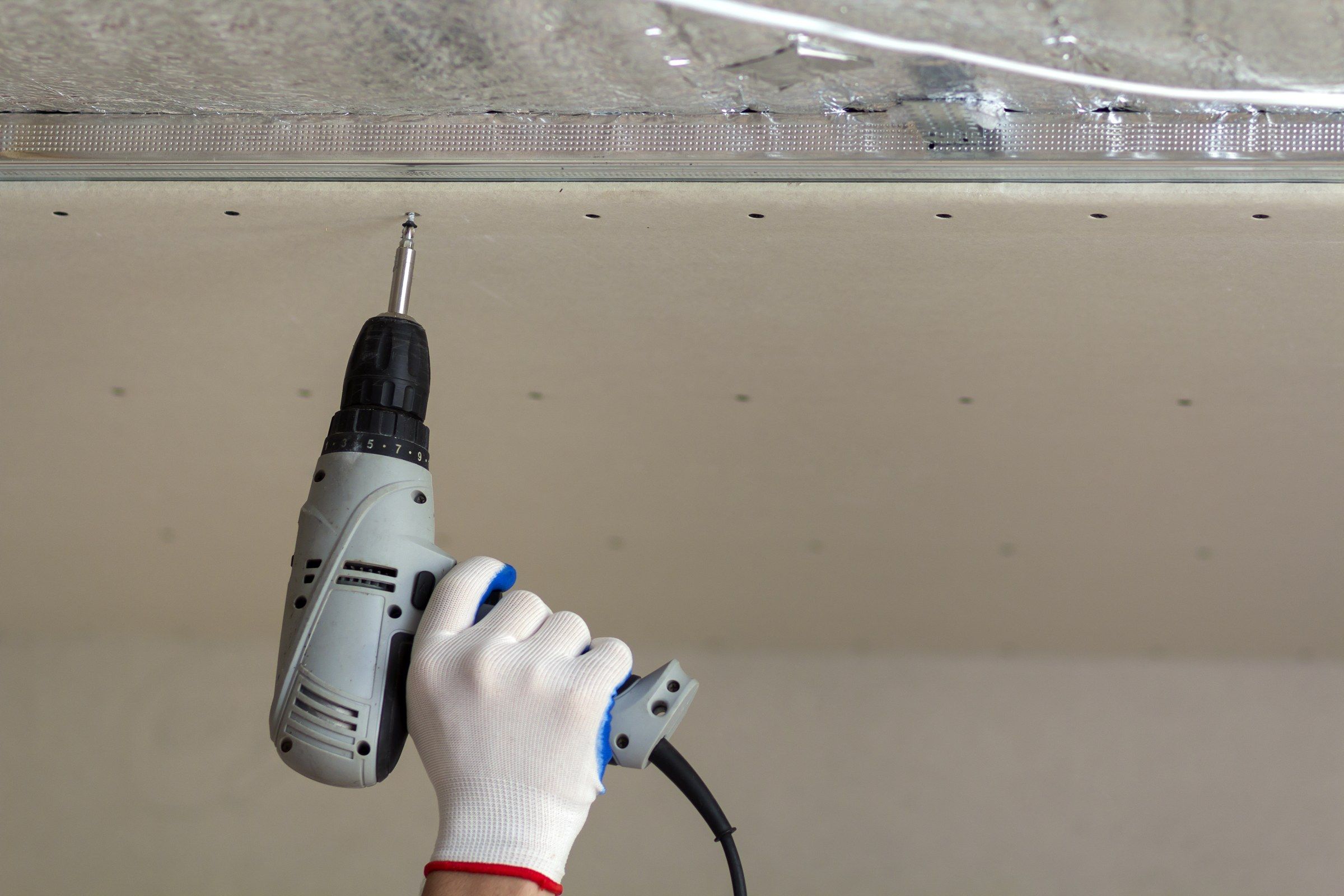
Drywall Installation
Board set out and hung with the finished surface already in mind.
Process
How a project proceeds
A close look
We examine the existing walls and ceilings: what they are made of, how thick they are, how they have aged and what the light does to them.
A written proposal
The scope, the method, the finish level and the schedule, set out plainly so that you know exactly what is being offered.
Protection and preparation
Floors, woodwork and fittings are covered and the work area enclosed before a single sheet is cut.
The work itself
Hanging, taping and finishing, with every coat left to dry in its own time.
Inspection and hand-over
Each surface is checked under raking light, corrected where needed, and reviewed with you.
Before and after
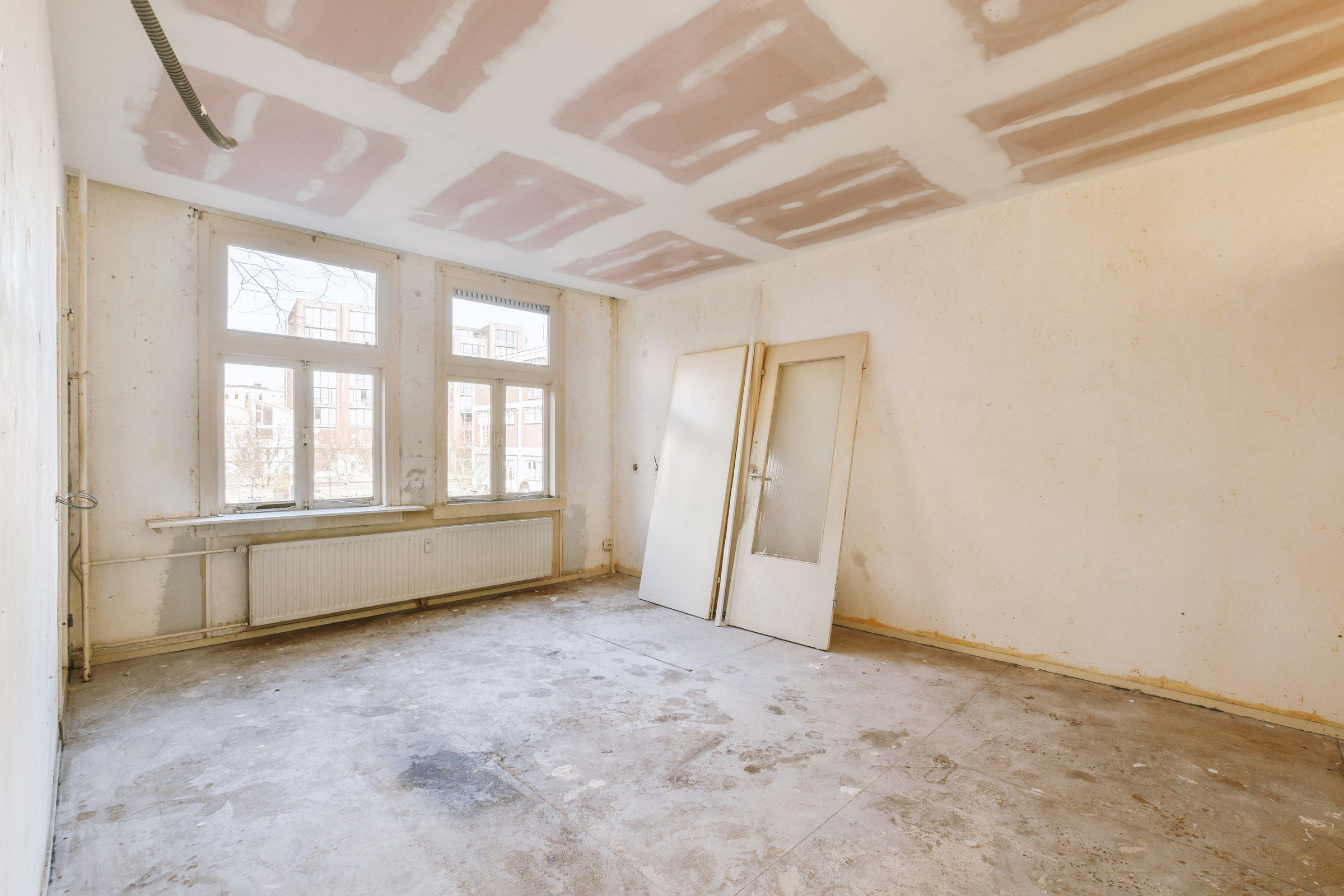
From opened walls to a finished room
Draw the handle across to compare.
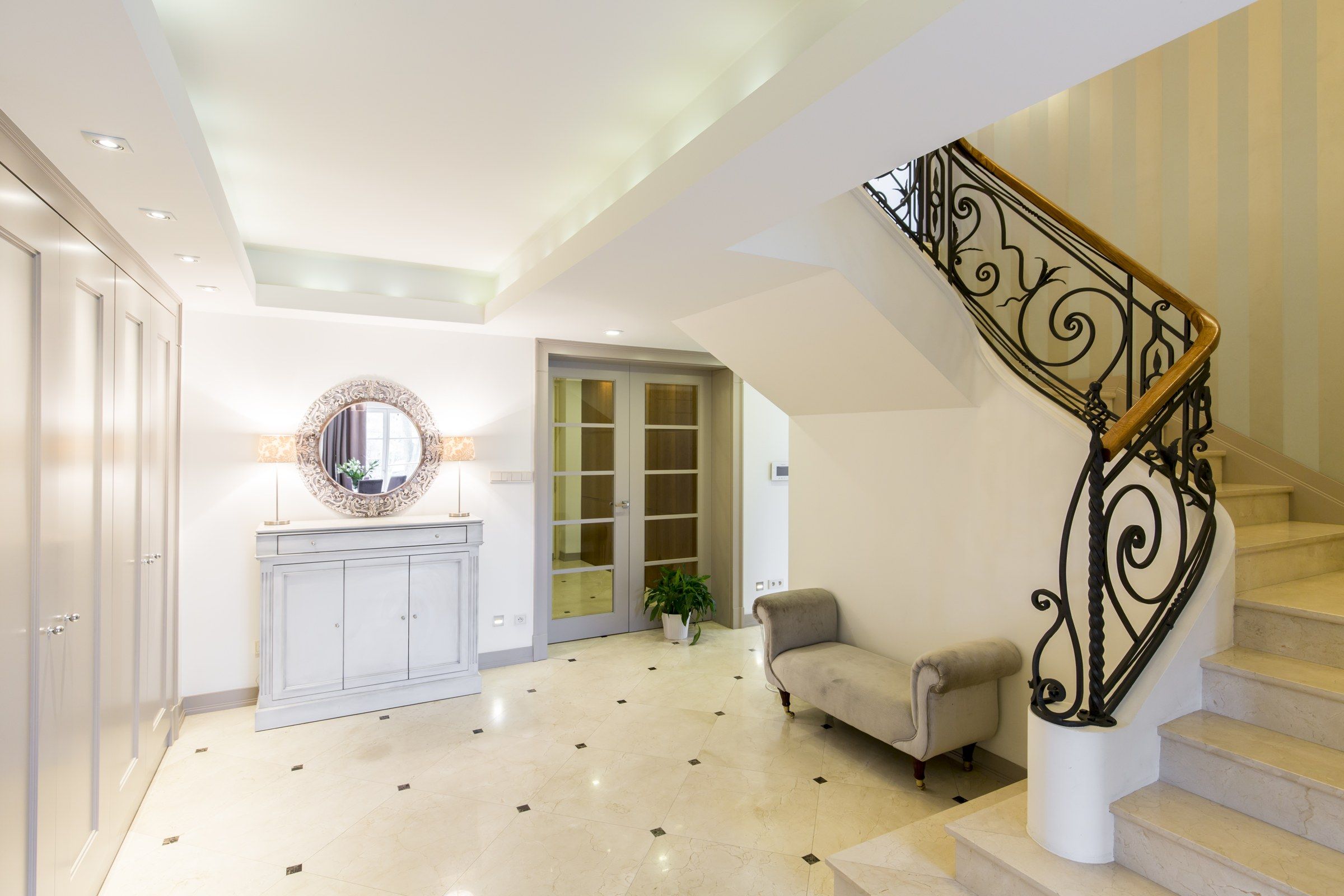
Illustrative stock photographs, not a project of our own.
Service area
At home in Wauwatosa
We know these streets by their houses. The Tudors and colonials of the Washington Highlands. The brick bungalows and duplexes of East Tosa. The lannon stone that turns up on block after block. The Cape Cods and ranches west of Mayfair Road.
Each was built in its own way, and each asks for a slightly different hand. That familiarity is most of what we mean by local.
- Wauwatosa
- Elm Grove
- West Allis
- Brookfield
- Butler
- Milwaukee’s west side
- Menomonee Falls
- Greenfield
A longer read
Notes on walls, for the owners of older houses
What follows is general guidance, set down for anyone considering work on the walls and ceilings of a house in Wauwatosa. It is the conversation we would have across a kitchen table.
Know what your walls are made of
It is the first question and it governs everything after. A house built before the Second World War almost certainly began with plaster: three coats over wood lath, or later over a gypsum base. Houses of the late 1940s and 50s may have either. From the 1960s onward drywall is the rule.
Most older houses are now a mixture. A kitchen was redone, a bathroom rebuilt, an attic finished, each in the material of its day. You can often tell by knocking. Plaster gives a dull, solid sound and feels cool and hard. Drywall sounds hollow between the studs. A switch plate removed will show the thickness.
Keep what is sound
There is a habit of thought which holds that old plaster is a problem to be removed. We do not share it. Plaster that is firmly attached is a better wall than its replacement would be: heavier, quieter, more resistant to knocks, and of a piece with the house.
What fails is seldom the whole wall. It is a corner where water came in, a ceiling under a bathroom, a crack that has been filled badly many times. Those can be mended and the rest left in peace. Wholesale replacement is warranted only where the plaster has let go of its lath across a wide area.
Understand the cause before the cure
Damage to a wall is evidence of something. A stain records a leak. A crack records movement. A bulge records plaster parting from lath. Mending the surface without asking why is how the same repair comes to be paid for twice.
Often the cause is trivial and long past. Sometimes it is a matter for a roofer, a plumber or a mason, and should be seen to first. We would sooner tell you that at the outset.
The seasons are part of it
A timber house in Wisconsin is never entirely still. It dries and shrinks through the heating season and swells again in the humidity of summer. Rigid wall surfaces register that movement as fine cracks at the corners of openings and where walls meet ceilings.
The seasons also govern the work. Joint compound hardens by drying, so it wants ordinary warmth and moving air. In a house heated by radiators the air is still, and a fan helps. In an unheated porch or garage in January, temporary heat is essential. In a basement in July, a dehumidifier.
What a finish is, and how fine it need be
Finish is described by level. The ordinary standard, suitable for most painted rooms, is three coats over every joint and fixing, sanded smooth. The highest adds a thin coat over the entire surface, and is meant for strong side light, for paint with a sheen, and for dark colors.
It is perfectly reasonable to choose different levels for different rooms. The principal rooms, with their tall windows, generally repay the better finish. Bedrooms and closets seldom need it.
Matching is the larger part of the craft
In a new house every wall is the same. In an old one, a repair has to sit beside surfaces made by other hands in another era. The thickness must agree. The plane must agree. And the surface itself, whether glass-smooth, sand-floated or faintly marked by the trowel, must be reproduced closely enough that the eye passes over it.
We make samples first and judge them dry, under the light of the room. It is slower than simply making the patch flat. It is also the reason a mended room still looks like itself.
Old paint, old texture
Houses built before 1978 may have lead in their earlier coats of paint, and sprayed ceiling texture from before the mid-1980s may contain asbestos. Neither is cause for alarm in a surface that is intact and left alone. Both bear on how sanding, scraping and removal are carried out.
Tell whoever works on your walls the age of the house. Have suspect ceiling texture tested by a laboratory before it is disturbed. These are small precautions.
The order of work
Walls come in the middle of any project. Whatever belongs inside them comes first: wiring, plumbing, insulation, and the inspections that go with a permit. Then the board or the plaster repair. Then primer and paint. Floors, trim and fittings follow.
If several trades are involved, let each know the others' dates. Walls mended before the electrician has quite finished are walls mended twice.
Permits, briefly
Mending a wall requires no permit. Finishing an attic or basement, building an addition, or altering a commercial interior generally does, and in those cases the work inside the walls is inspected before it is covered.
The City of Wauwatosa’s building department is the authority on what applies to a given project. Houses within a designated historic district may have further considerations for exterior work, though interior walls are seldom affected.
Asking for an estimate
Photographs are the most useful thing you can send. One from across the room, one close, with something in the frame to give the scale. Add the age of the house if you know it, the height of the ceilings, and what you believe the walls are made of.
Say what caused the damage, if it is a repair, and when you would like the work done. If a painter is engaged to follow, give us that date at the beginning. Drying time cannot be much compressed, and a sensible schedule is reckoned backward from the day the walls must be ready.
Reading an estimate
A proper estimate describes the work in words as well as figures. Which rooms and which surfaces. Whether the work is repair, new board, or resurfacing. The level of finish. Whether texture is to be matched. What is protected, what is cleared away, and what is not included.
Where two estimates differ widely, the difference is nearly always in the scope and most often in the finish. Set them side by side and compare line with line.
During the work
You need not leave. The room in hand is closed off with plastic, the floors on the way to it are covered, and its registers are sealed. Sanding is done with vacuum tools where the surface allows. Each day ends with the floor swept and the tools put by.
Between coats the room is usually usable. There is a faint smell while compound dries and none afterward.
Afterward
Prime before painting, without exception. New compound and old painted wall absorb paint at different rates, and primer brings them into agreement. Look the walls over once more after priming, by daylight.
In the year that follows, a hairline may appear at a corner, particularly in a newly finished attic or addition. It is the house settling to its new arrangement, and it is easily closed. Keeping indoor humidity reasonably steady through the winter is the most useful thing an owner can do for old walls.
On doing part of it yourself
Many owners of older houses are capable people, and there is a good deal they can do. Clearing rooms, taking down what is damaged, removing wallpaper, even hanging board. The finishing is the stage that repays experience, since it depends on a feel for compound that comes only with years.
If you intend to share the work, say so. We will price our part alone, and offer what advice we can on yours.
Attics and additions
The finished attic is one of the pleasures of these houses, and it is the room most prone to cracking. Its ceilings slope, its walls are short, and the roof above it moves more with the seasons than any other part of the frame. Joints at the angles need flexible corner materials made for the purpose, and a little patience through the first winter.
An addition meets the old house along a line, and that line wants care. New framing shrinks as it dries while the old house has long since finished moving. The joint between them is detailed to allow for it.
Bathrooms and kitchens
These are the rooms where walls work hardest. Steam, splashes and grease all tell on a surface over time. Moisture-resistant board belongs on bathroom walls and ceilings, with a proper tile backer in the wet area itself. Good ventilation matters as much as the board. A fan that discharges outdoors, and runs for a while after the bath, will keep paint and tape sound for decades.
Corners, coves and other details
Older houses have corners that are slightly rounded, arches between rooms, and sometimes a plaster cove where wall meets ceiling. New work beside them should follow suit. A sharp modern corner next to a soft old one looks like a repair, however well it is finished.
We take the profile of what is there and reproduce it. It is a small thing, and it is very often what decides whether new work is noticed.
Small jobs
No one need apologize for calling about a single crack. A great part of this trade is small repair, and a mark on the wall that has irritated you for two winters is worth an hour of someone’s attention. Do look round the house first, though. Whatever else you find can be done in the same visits at little further cost.
A last thought
Walls are the background of a house. When they are right, no one remarks on them, and the rooms simply look well. That is the whole aim of the work: surfaces sound enough and quiet enough to be forgotten.
Questions
What people ask first
Do you work on plaster as well as drywall?
Yes. Many Wauwatosa houses are plaster, and a good deal of what we do is repairing it, skimming it, or joining new drywall to it so the two read as one wall.
How is an estimate arranged?
Send the form with a description and, if you can, photographs. For repairs we can often reply with a figure. For larger work we visit, look closely at the existing walls and write a proposal.
How do you protect floors and woodwork?
Everything that stays is covered before we begin: floors, stair parts, casings, built-ins and radiators. Work areas are enclosed in plastic and we sand with extraction.
How long does the work take?
A small repair may be two visits. A room is usually a week. Compound must dry between coats, and we do not hurry it.
Is a small job of interest to you?
It is. A single cracked ceiling or a handful of patches after rewiring is ordinary and welcome work.
Where do you work?
Throughout Wauwatosa and in neighboring communities, including Elm Grove, West Allis, Brookfield, Butler and others nearby.
Shall we look at your walls?
Describe the work and we will reply with a written estimate, free of charge.
Get a free estimate