
Repairs for drywall and plaster
The accumulated cracks and blemishes of a lived-in house, put right one by one and finished to match.
Get a free estimate
Walls keep a record. The diagonal crack above the dining room door has probably opened and closed every year since the Truman administration. The patch by the stairs marks where a gas sconce once hung. A house with some age will always have such marks, and living with a few is part of living in it.
But there comes a point, usually before painting, when it is right to go through the house and set things in order. That is the visit we like best: a list, a methodical day or two, and walls that are whole again.
Our approach to repair
We begin by asking why. A crack that follows a joint is a tape failure. A crack that runs diagonally from an opening is structural movement, usually old and stable. A hollow sound means plaster has left its lath. Each calls for a different remedy.
So we re-fasten, re-tape, re-key or re-bead as the case requires, and only then apply finish. In plaster we open cracks into a shallow V, bridge them with mesh in setting compound, and skim. In drywall we replace failed tape and add fasteners.
What we are asked to repair
- Cracks at doors and windows
- Diagonal, recurring and usually harmless.
- Hairline crazing
- Fine networks in old finish plaster.
- Loose or blistered tape
- In later drywall additions.
- Nail pops
- Especially in mid-century and newer rooms.
- Chipped and softened corners
- Rebuilt square, or rounded to match.
- Old patches
- Made level and invisible.
A repair visit
Walk the house
Together, noting each item and its likely cause.
Protect
Floors, furniture and woodwork covered.
Address causes
Fastening, taping, re-keying, new bead.
Finish
Coats built up and feathered wide.
Match and tidy
Surface matched, dust removed, ready for primer.
Cracks that return
Some cracks in an old house are seasonal and will move a hair every year whatever is done. For these we use a flexible reinforcing approach and are honest that a faint line may eventually show again. It will be far less than before, and it will not widen.
Others return because they were only ever filled. Those we can generally stop for good.
What it does for a house
Paint worth applying
A sound surface is the larger part of a good paint job.
A sense of order
The rooms feel cared for.
Fabric preserved
Repair in place of removal.
Economy
Many repairs in one organized visit.
On cost, and what moves it
Repair is a broad heading. It takes in popped fixings, cracked joints, crushed corners, loose tape, holes, and plaster that has begun to part from its lath. Each asks a different amount of work, so the cost depends on what is on the list.
The economical course is to gather everything into a single visit. Each repair passes through the same sequence of coats with the same waits between, and twenty can be carried through that sequence together almost as readily as one. Walk the house with a roll of painter’s tape, mark each place, and send us photographs.
Why walls crack
A timber-framed house moves with the seasons. In a Wisconsin winter, with the heating on, indoor air becomes very dry and the frame shrinks a little. In a humid summer it swells again. Plaster and drywall are rigid and do not follow, so the strain shows at the weakest points: the corners of doors and windows, the junction of wall and ceiling, the line where one material meets another.
Most such cracks are cosmetic. They are the house breathing. A crack that has been the same width for twenty years, opening slightly each February, is no cause for concern and can be repaired at leisure.
A few signs do warrant a closer look. A crack that is plainly widening. One that runs diagonally from the corner of an opening, with a door nearby that has started to bind. A bulge in a plaster wall that gives when pressed. We will tell you if what we see looks like more than a surface matter.
Repairs that hold
A repair that returns usually means the cause was left alone or the method was too slight. A crack filled with spackle looks mended for a season and then opens again, because nothing is bridging it. A lasting repair opens the crack, reinforces it with tape set in a hard compound, and blends it over a generous width.
Loose plaster must be secured or removed before anything is applied over it. Filler laid on plaster that has lost its hold will come away with it. We sound the area around every repair by tapping, and deal with whatever is hollow.
The question of paint
Old houses carry many layers of paint, and the newest is seldom the only one that matters. Where old paint is poorly bonded, new compound can lift it. We test, and scrape back to something firm where necessary. In houses built before 1978 some of those layers may contain lead, which bears on how sanding and scraping are done.
After repair, prime, and then repaint each mended wall as a whole. Touching up a patch on paint that has aged for years rarely succeeds, however carefully the color is matched.
What we would ask of you
The list, with photographs. Whatever you know of the causes. Your intentions about painting, so that the repairs can be timed just ahead of the painter. And access to each place, with furniture drawn back and pictures down.
A few particulars
Corner damage is common in halls and at the foot of stairs. Under the paint there is a strip of metal or, in old plaster, a wooden or metal corner piece. Once dented it cannot be pushed back. The damaged length is cut out, a new piece set in line with the old, and the corner coated to hide the join.
Tape that peels has usually been short of compound since the day it was applied. It tends to show first in bathrooms and on ceilings. The loose tape is removed along its whole length and the joint made again from the beginning.
A humidifier on the heating system, sensibly set, lessens winter cracking by keeping the frame from drying so far. Too high a setting brings its own troubles at the windows and in the attic.
Where several trades are at work, the sequence matters. Plumbing and electrical repairs first, then the walls, then primer and paint, and floors last of all.
Keep the roll of tape in a drawer. Mark new cracks as they appear through the year, and have them attended to together.
Repairs and painting are best timed together. They share the same protection, the same disruption and the same days with a room out of use. If you mean to repaint within the year, have the walls attended to in the week before the painter arrives.
In a newly built addition, it is worth waiting through one full winter before the first round of repairs. Most movement happens early.
Before and after
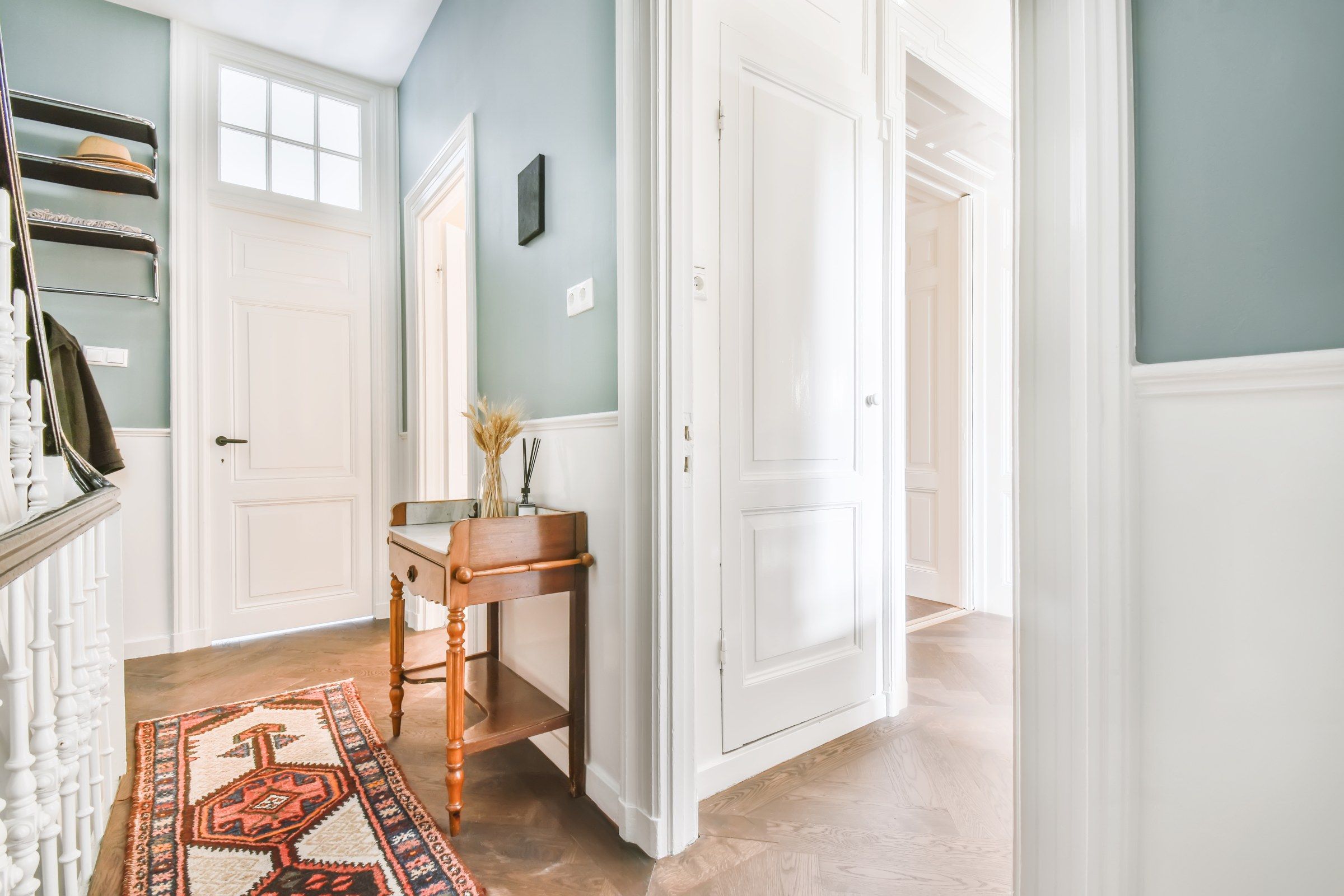
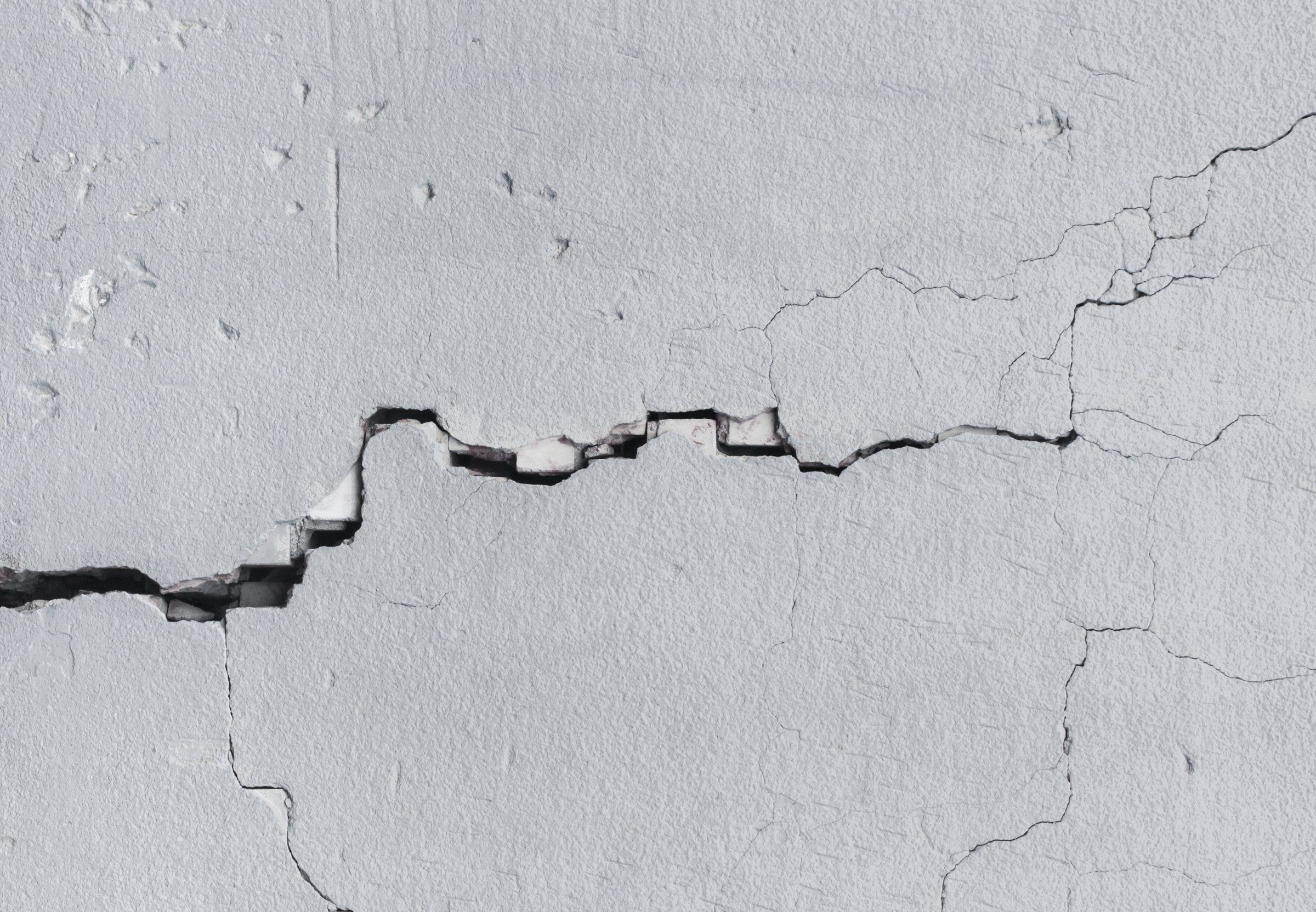
Illustrative stock photographs, not a project of our own.
Wear in Wauwatosa walls
Plaster on wood lath, as found in the earlier houses here, is rigid and long-lived but does not flex. A century of seasonal movement shows as cracks at the corners of openings and where additions meet the original structure.
The gypsum lath used from the 1930s cracks instead along its sheet edges, in tidy horizontal and vertical lines sixteen inches by four feet apart. Recognizing the pattern tells us what is behind the wall before we touch it.
Questions on drywall repair
Are my cracks a structural concern?
Generally not. Fine cracks at openings are old, settled movement. Wide, recent or widening cracks, or new sticking doors, warrant a structural opinion, and we will say so.
Can you repair plaster, or only drywall?
Both. In Wauwatosa, repair work very often means plaster.
Will the cracks come back?
Most will not. A few seasonal ones may reappear faintly, and we will tell you which we expect those to be.
Should repairs be done before painting?
Yes, always. Give us your painter’s date and we will work backward from it.
Do you match textured or sand-finish walls?
Yes. We test on a sample first.
Related
Work often done alongside
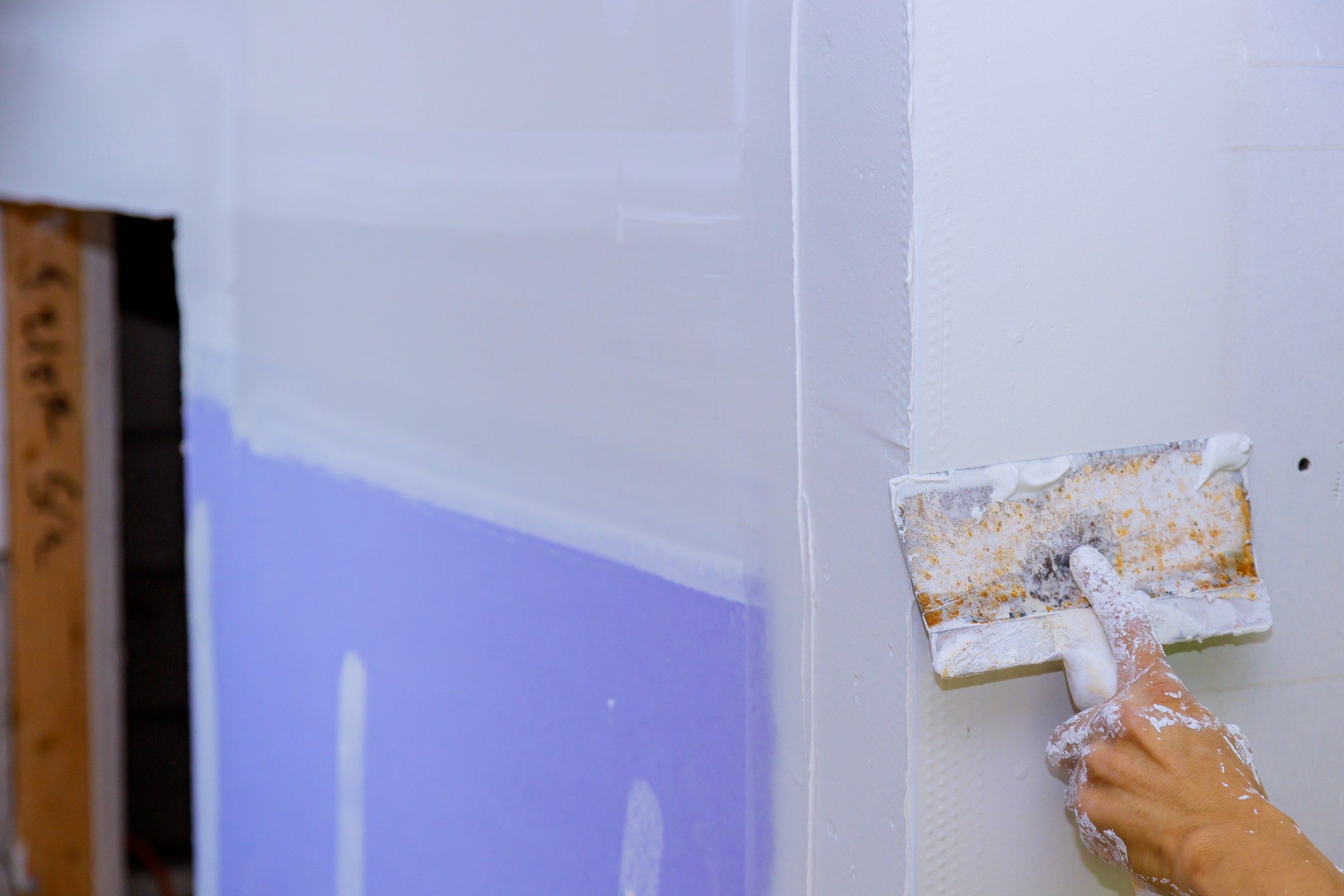
Drywall Patching
Openings closed and blended until the wall reads as untouched.
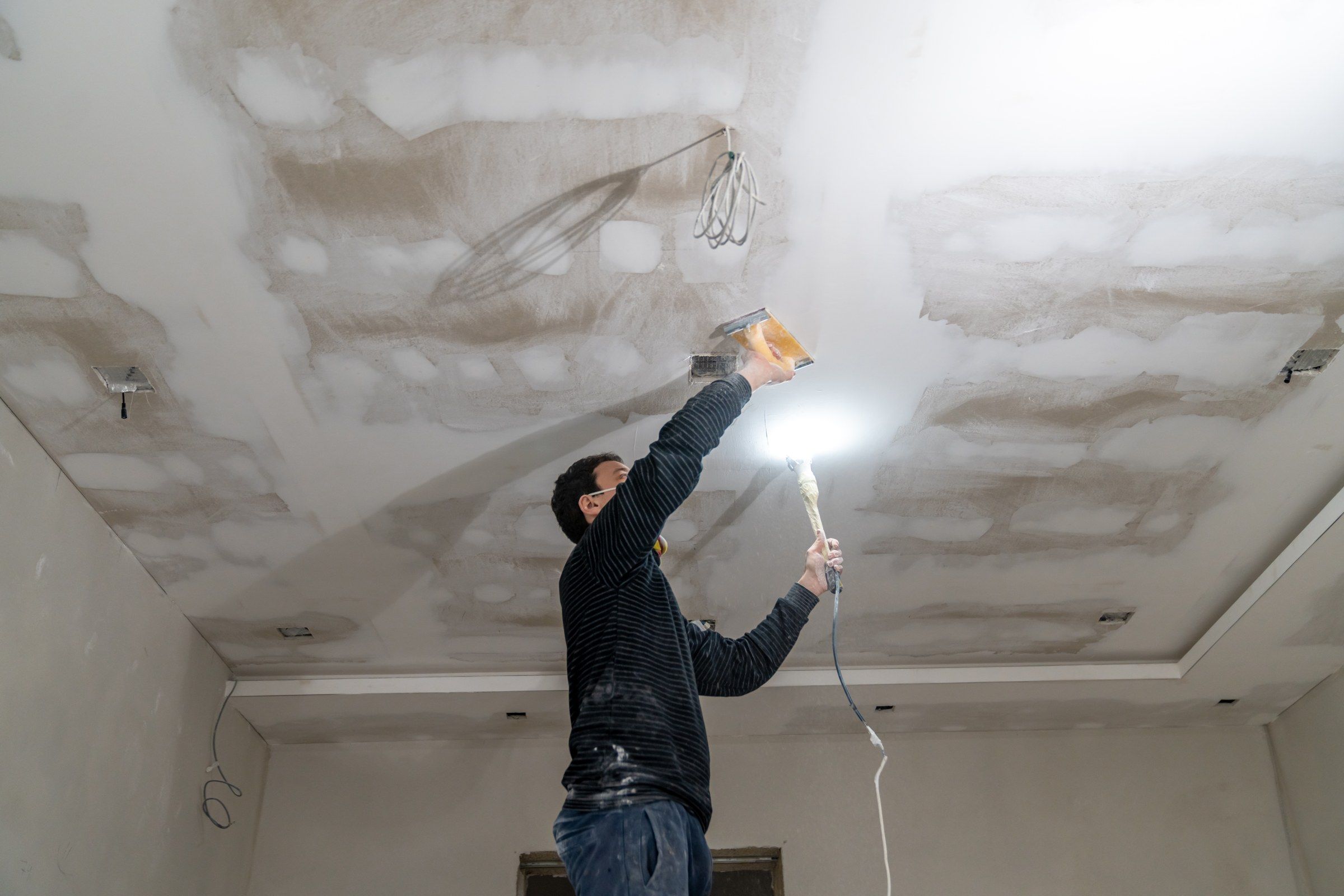
Ceiling Drywall Repair
Cracked, sagging and stained ceilings stabilized and made level.
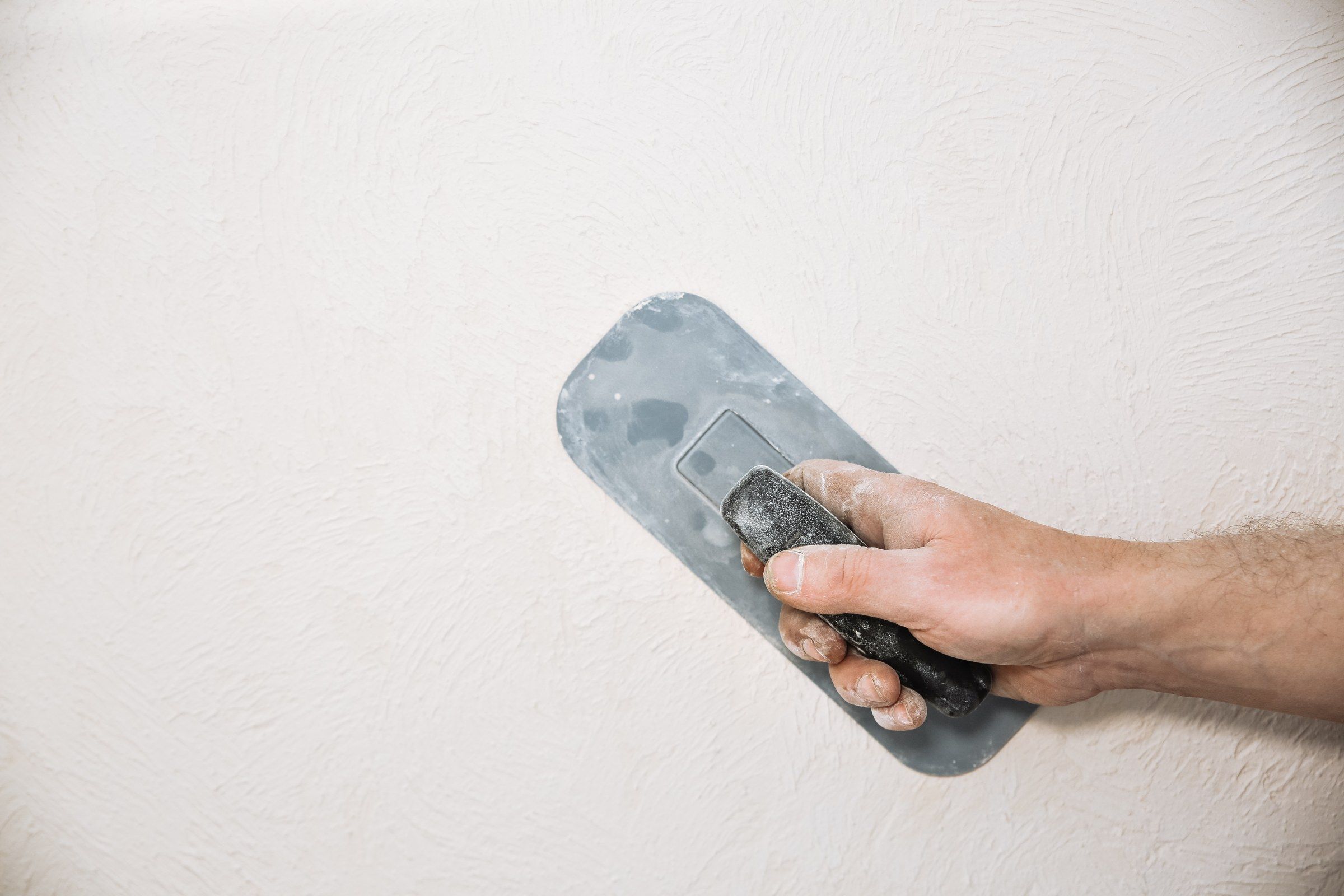
Drywall Finishing
Level 5 surfaces, skim coats and plaster-like finishes for rooms that deserve them.
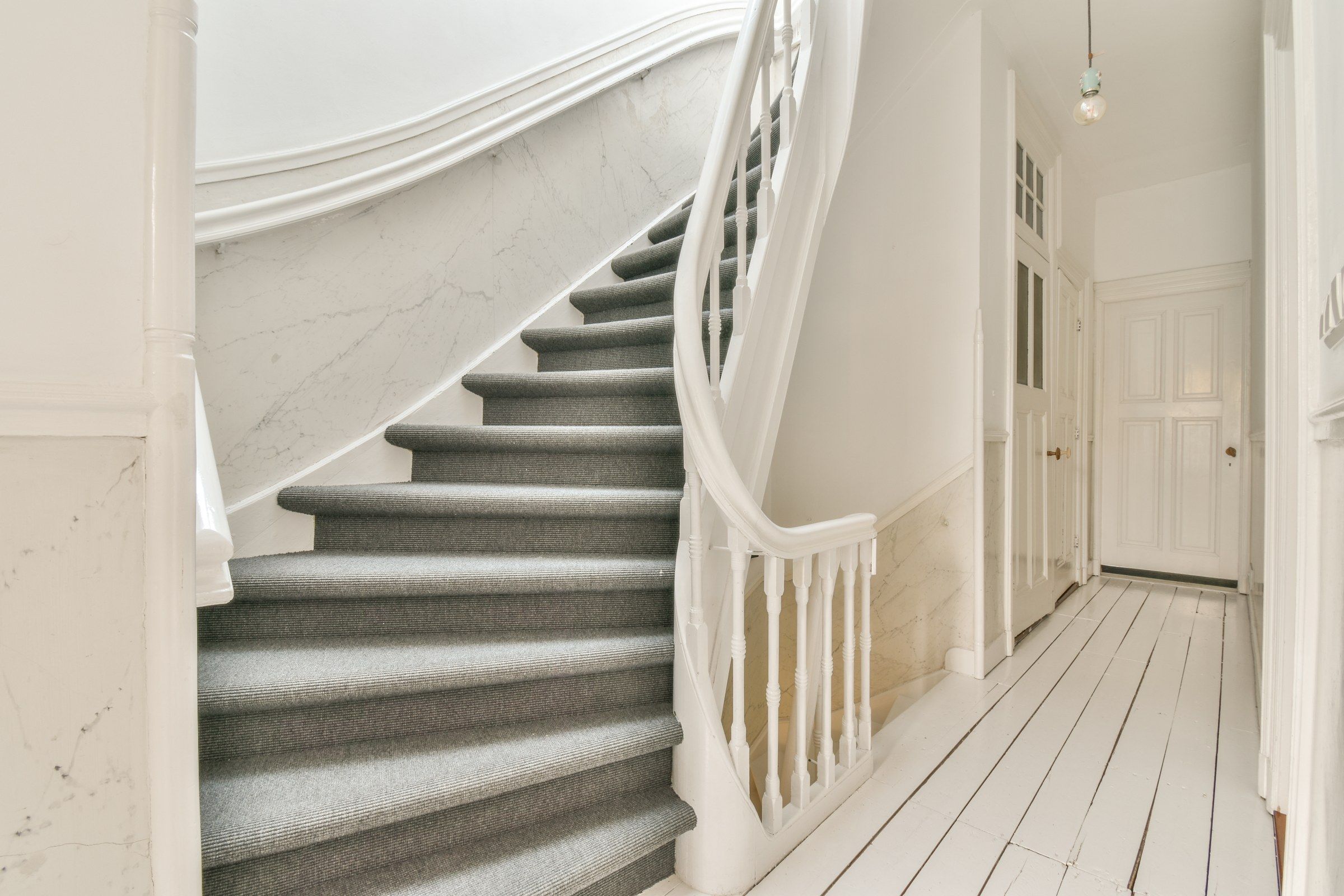
Residential Drywall Services
Drywall and plaster-sympathetic work for the houses of Wauwatosa.
May we quote for this?
Tell us about your drywall repair project in Wauwatosa. A written estimate follows, without charge.
Get a free estimate